








EPDM, NBR, CR, SBR and IIR: How to Choose the Right Rubber Material
Material selection determines service life. A rubber product can look correct on day one and still fail early if the compound does not match the fluid, temperature, weather, ozone or mechanical load. This guide gives B2B buyers a practical way to compare common rubber families before requesting samples or tooling.
Why Material Selection Comes First
The same hose or sealing profile can be made from several elastomers, but each option solves a different operating problem. Start with the service environment, then select the compound. Do not choose only by colour, hardness or lowest unit price.
| Selection question | What to check | Typical direction |
|---|---|---|
| What will contact the product? | Water, coolant, oil, fuel, air, steam or chemicals | EPDM for water and weather; NBR for oil and fuel |
| What temperatures are expected? | Continuous temperature, peaks and cold starts | Silicone for a wider temperature window; EPDM for many moderate-heat uses |
| What is outside the part? | UV, ozone, rain, salt spray and outdoor exposure | EPDM and silicone generally offer strong weather resistance |
| What mechanical load matters? | Abrasion, compression, flexing, pressure and tear | NBR often suits oil-contact and tough mechanical duties |
EPDM: Weather and Water Resistance
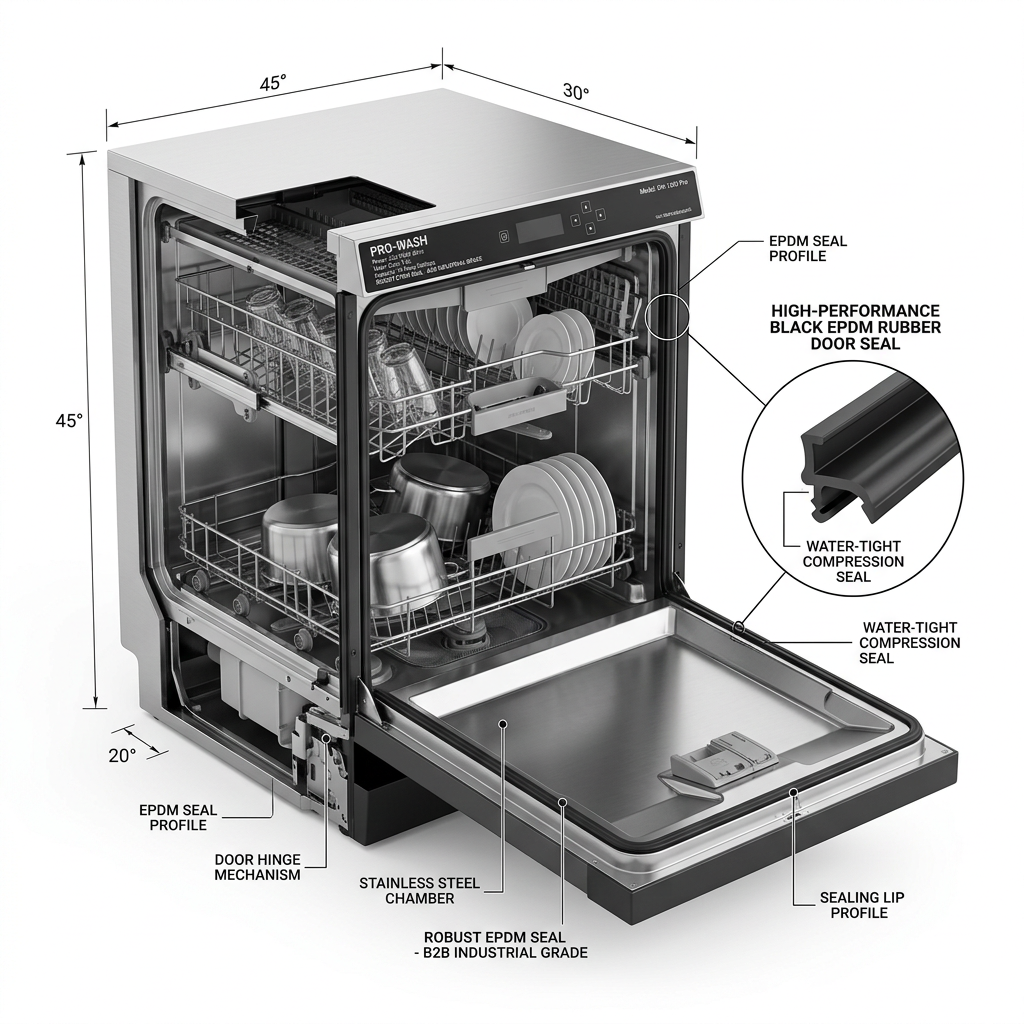
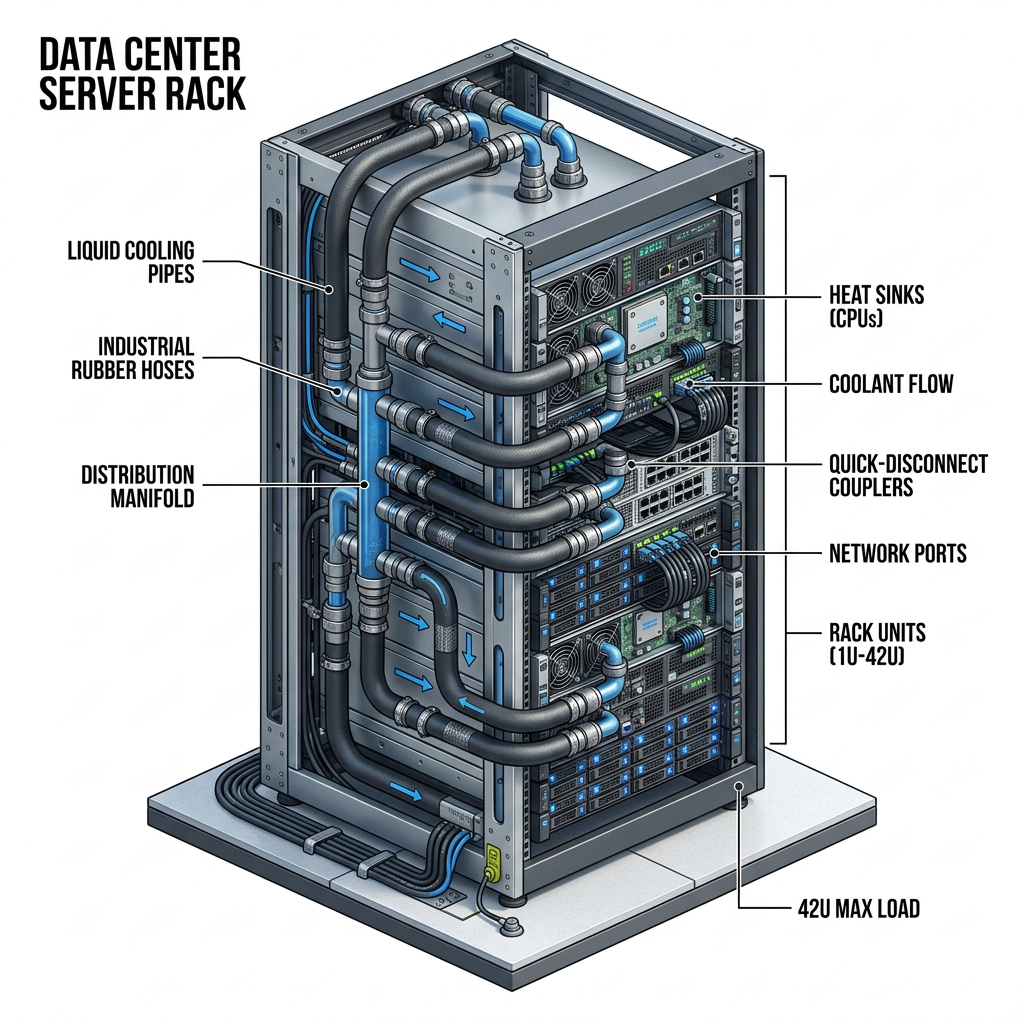
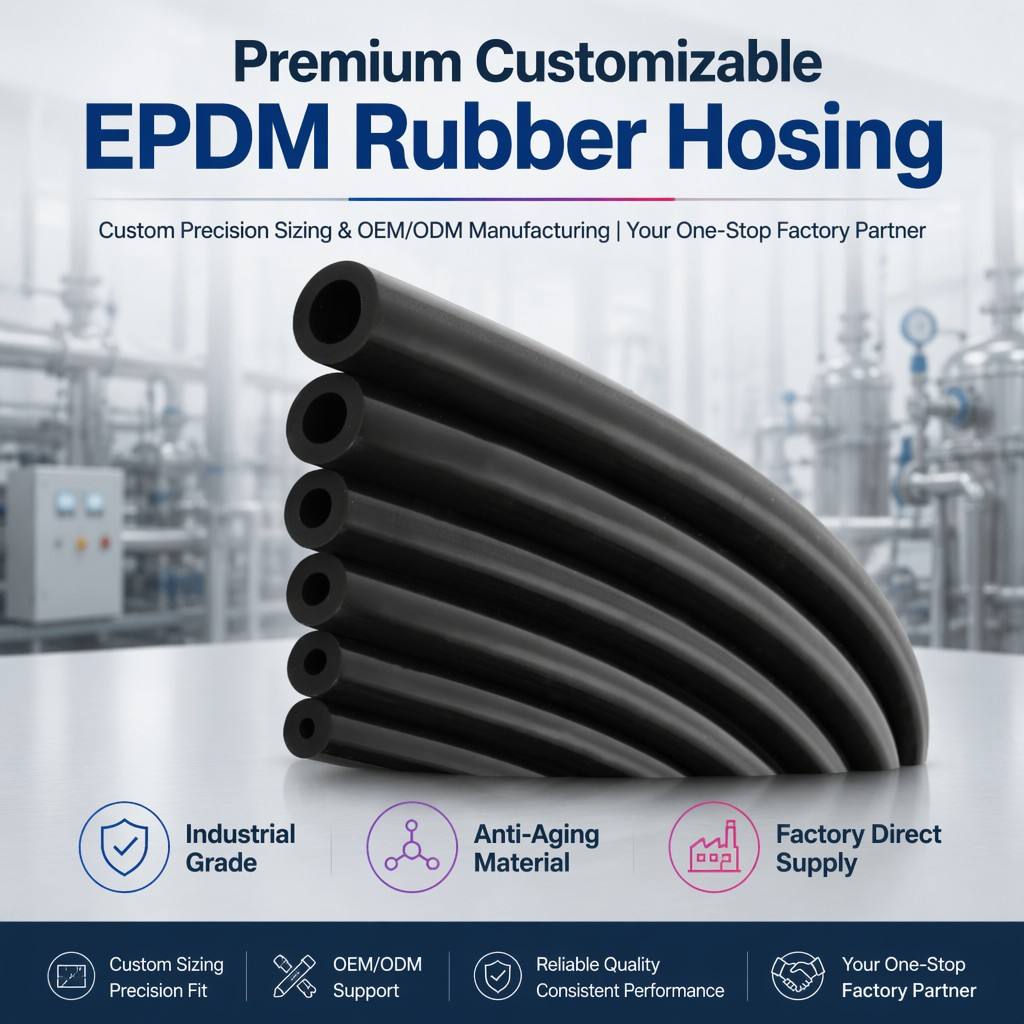
EPDM is a strong candidate for outdoor profiles, hot-water systems, coolant circuits, door and window seals, and many general industrial applications. Its key advantages are resistance to ozone, UV weathering and water-based media, along with good low-temperature flexibility and compression-set performance.
Important limit: EPDM is generally not suitable for petroleum oils, fuels or mineral-oil grease. If the part is exposed to those media, compare NBR or another oil-compatible compound instead.
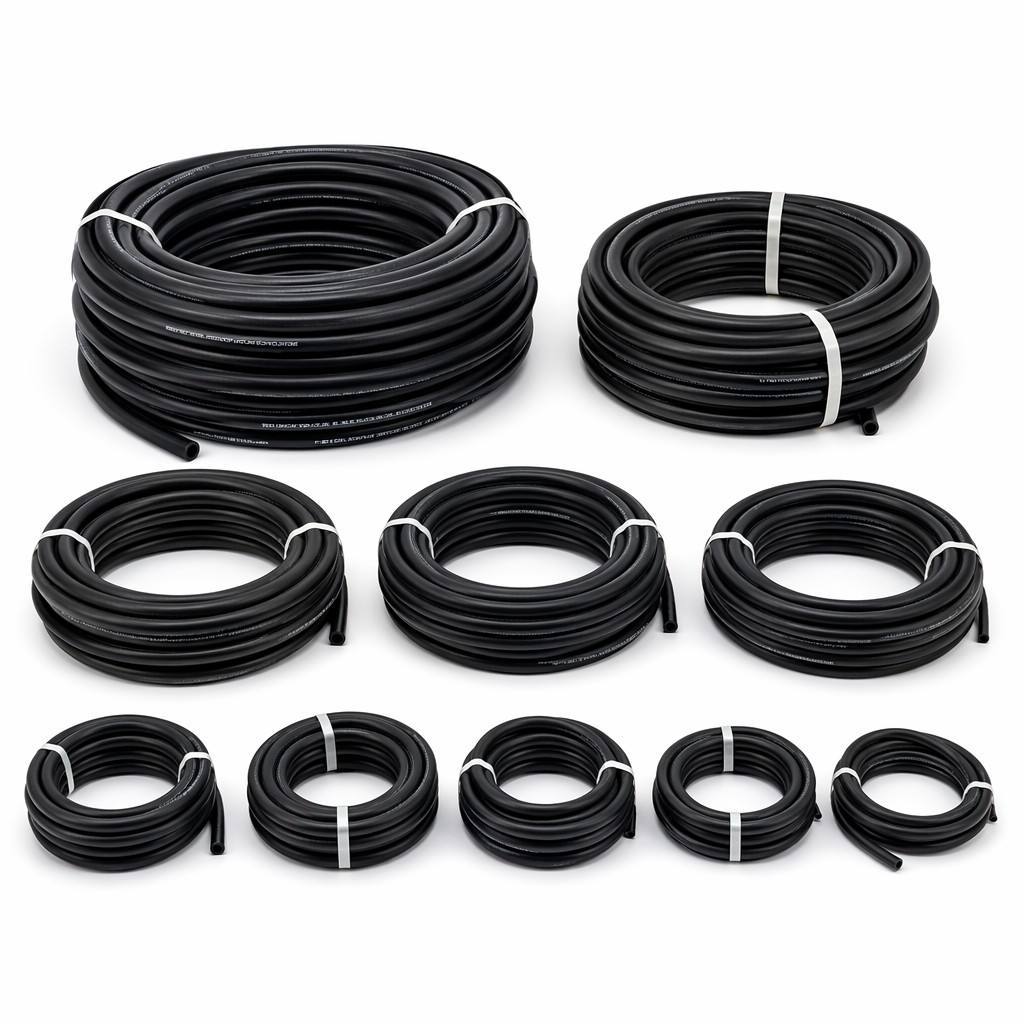
NBR: Oil and Fuel Resistance
NBR, also called nitrile rubber, is commonly selected when the product contacts mineral oils, fuels, hydraulic fluids or grease. Its acrylonitrile content can be adjusted to balance oil resistance, flexibility and low-temperature performance. NBR also offers good abrasion resistance for many industrial sealing and tubing duties.
Important limit: NBR is less naturally resistant to ozone, sunlight and outdoor weathering than EPDM. For exposed installations, ask about protective design, compounding or a different material.
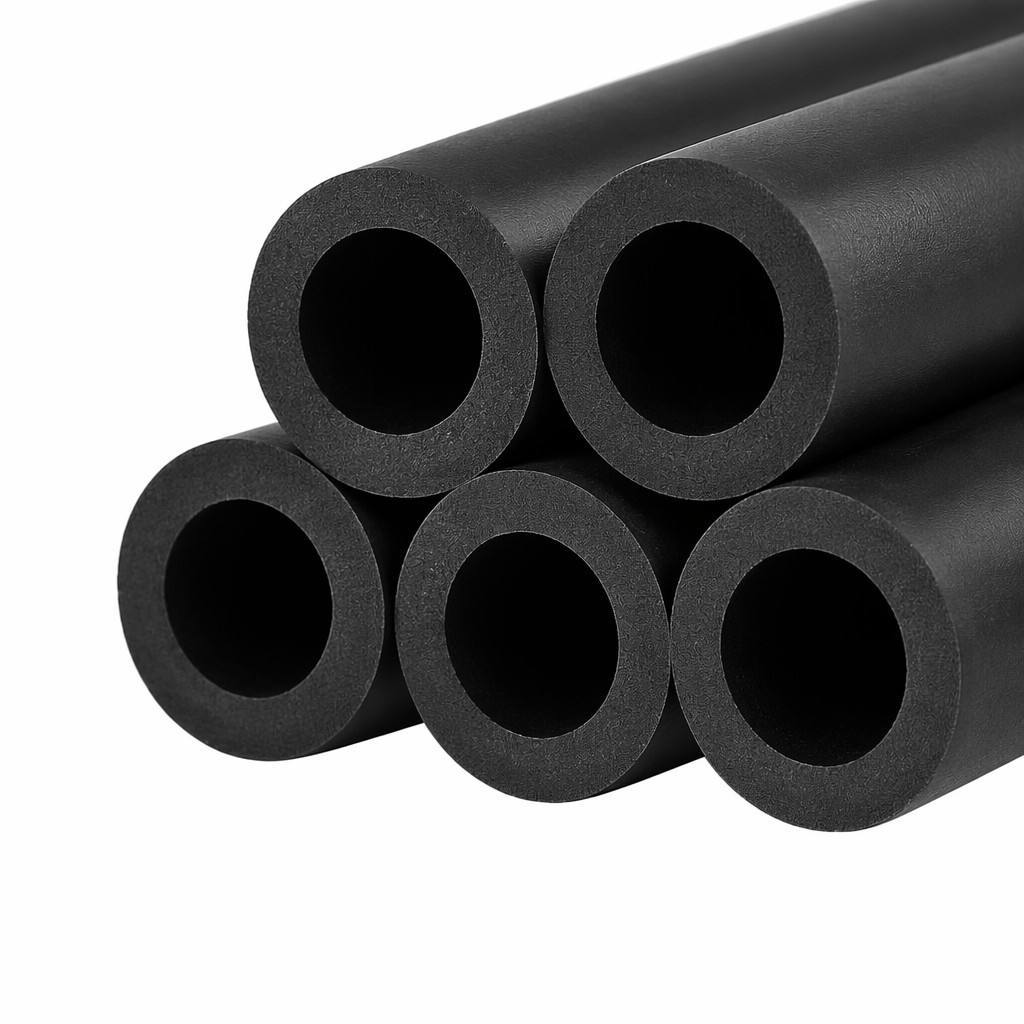
CR, SBR and IIR: When They Fit
CR (neoprene): useful when a balanced combination of weathering, ozone, flame behaviour and mechanical performance is required. SBR: often chosen for general-purpose resilience, abrasion resistance and cost control where the environment is not highly specialised. IIR (butyl): valued for low gas permeability and air retention, making it relevant to airtight products and selected sealing applications. The correct grade still depends on the exact media, temperature and compliance requirements.
Quick Comparison for Common Rubber Materials
| Material | Strengths | Use with caution |
|---|---|---|
| EPDM | Weather, ozone, UV, water, coolant, steam; good outdoor durability | Petroleum oils, fuels and mineral-oil grease |
| NBR | Oil, fuel, hydraulic fluid and abrasion resistance | Long-term direct UV, ozone and outdoor exposure |
| CR | Balanced weathering, ozone and mechanical performance | Exact chemical and temperature limits must be checked |
| SBR | Elasticity, abrasion resistance and cost efficiency | Highly demanding oil, ozone or high-temperature service |
| IIR | Air retention, low gas permeability and aging resistance | Applications requiring high dynamic strength or broad chemical compatibility |
How to Turn the Choice into a Specification
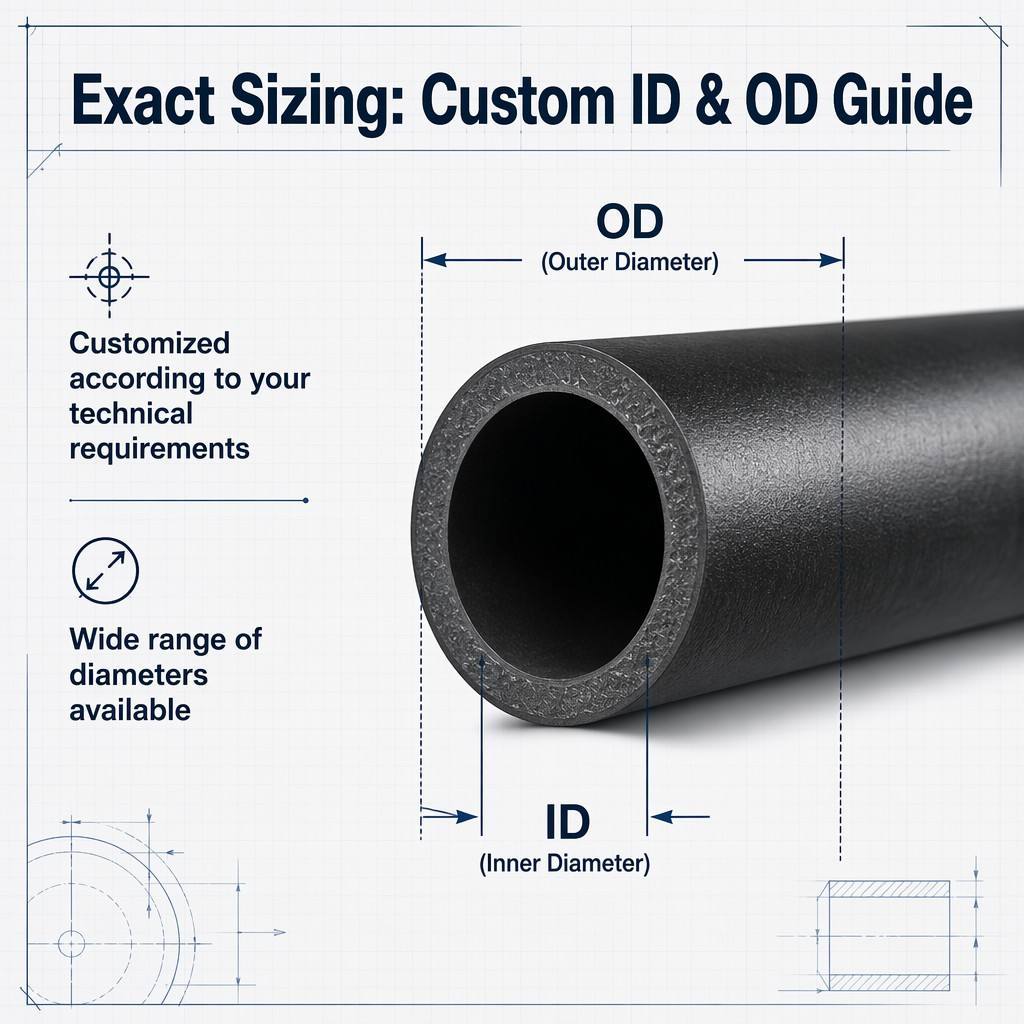
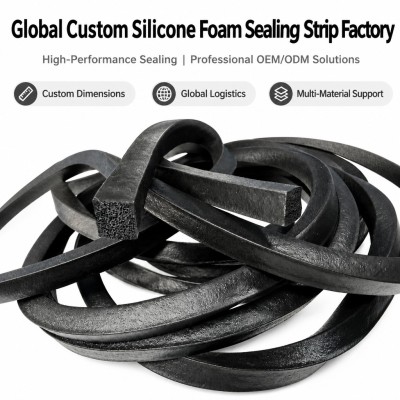
Once the material family is shortlisted, define the product specification. For a hose, confirm inside diameter, outside diameter, wall thickness, pressure, bend radius, reinforcement and length. For a sealing strip or solid profile, confirm the cross-section drawing, hardness, compression requirement, tolerance, colour and cut length.
You can review our material and process capabilities, then send the drawing or sample through our custom rubber solution service.