

















Frequently Asked Questions About Rubber Strips
Frequently Asked Questions About Rubber Strips
Welcome to our comprehensive FAQ guide about rubber strips! At ResRub, we are committed to providing you with high-quality rubber solutions tailored to your needs. This page answers common questions regarding rubber strips, their applications, benefits, and how ResRub products can enhance your projects.
What Are Rubber Strips?
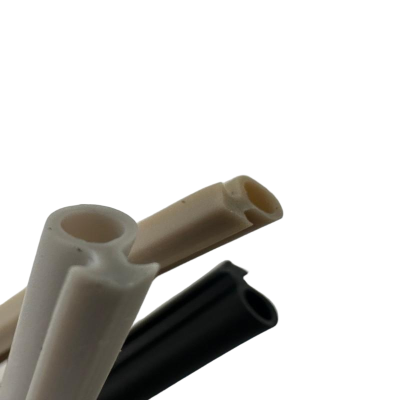
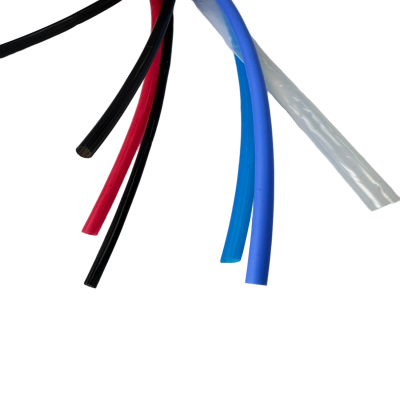
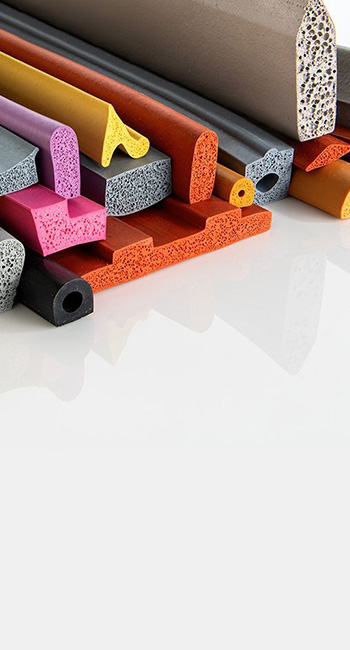
Rubber strips are versatile, elongated pieces made from various types of rubber. They serve multiple purposes, including sealing, cushioning, and insulating in various applications. Our rubber strips at ResRub are designed for durability and performance, making them ideal for both industrial and residential use.
What Are the Different Types of Rubber Strips?
There are several types of rubber strips, including:
EPDM Rubber Strips: Known for their weather resistance and durability, these are perfect for outdoor applications.
Neoprene Rubber Strips: Excellent for general sealing and can withstand a range of temperatures.
Silicone Rubber Strips: Ideal for high-temperature environments and provide strong flexibility.
At ResRub, we offer a wide range of rubber strip options tailored to various applications. Explore our products.
What Are the Benefits of Using Rubber Strips?
Using rubber strips in your projects can provide numerous advantages:
Durability: Rubber strips are resistant to wear and tear, ensuring a long lifespan.
Weather Resistance: They can withstand harsh conditions, making them ideal for outdoor use.
Noise Reduction: Rubber strips help dampen sound vibrations, contributing to a quieter environment.
How Do I Choose the Right Rubber Strip for My Application?
Choosing the right rubber strip depends on several factors, including:
Material Type: Consider the environmental factors such as exposure to weather, chemicals, or temperature extremes.
Size and Shape: Measure the area where the strip will be used to get the correct dimensions.
Application: What purpose will the rubber strip serve? (e.g., sealing, cushioning)
For personalized assistance, don't hesitate to contact our experts at ResRub!
How Do I Install Rubber Strips?
Preparation: Clean the area where the rubber strip will be applied to ensure a strong bond.
Cut to Size: Measure and cut the rubber strip to fit your specific needs.
Adhesive Application: If required, apply a suitable adhesive recommended for rubber installation.
Press and Seal: Firmly press the strip into place, ensuring there are no air bubbles.
Consider checking our installation guide for detailed instructions, or reach out for support.
How Do I Maintain Rubber Strips?
To ensure the longevity of your rubber strips:
Regular Inspections: Check for signs of wear or damage periodically.
Cleaning: Use mild soap and water to clean the strips without damaging them.
Proper Storage: Keep spare rubber strips in a cool, dry place away from direct sunlight.
Where Can I Purchase Rubber Strips?
You can purchase high-quality rubber strips directly from ResRub. We offer a diverse range of products to meet your needs, whether for sealing, cushioning, or insulation.
Conclusion
Rubber strips are essential products for various applications, offering durability and flexibility. If you have any more questions or need specific product recommendations, feel free to reach out to our team at ResRub. We’re here to assist you with all your rubber strip needs!
Image Prompts Suggestions:
Image of Various Rubber Strip Types: "A display of different types of rubber strips including EPDM, neoprene, and silicone, arranged on a workbench."
Installation Process of Rubber Strips: "A step-by-step installation guide for rubber strips, with visuals showing preparation, cutting, and adhesion."
Rubber Strip Applications: "A collage showing rubber strips used in various applications like sealing doors, automotive use, and cushioning in industrial settings."
This content not only addresses the frequently asked questions about rubber strips but also incorporates your company's offerings, boosting visibility and engagement with potential customers.