









Rubber Strip Installation and Maintenance Guide
Proper installation and maintenance extend the life of rubber sealing strips and keep your products performing. This guide covers preparation, fitting, and care best practices.
Whether you install strips in the factory or in the field, these steps will help you avoid common problems.
1. Prepare the Surface
Clean the mounting surface thoroughly to remove dust, oil, and old adhesive residue. A dry, smooth surface gives the best adhesion for self-adhesive strips.
For adhesive-backed strips, apply within the recommended temperature range, usually above 10°C, so the adhesive bonds fully.
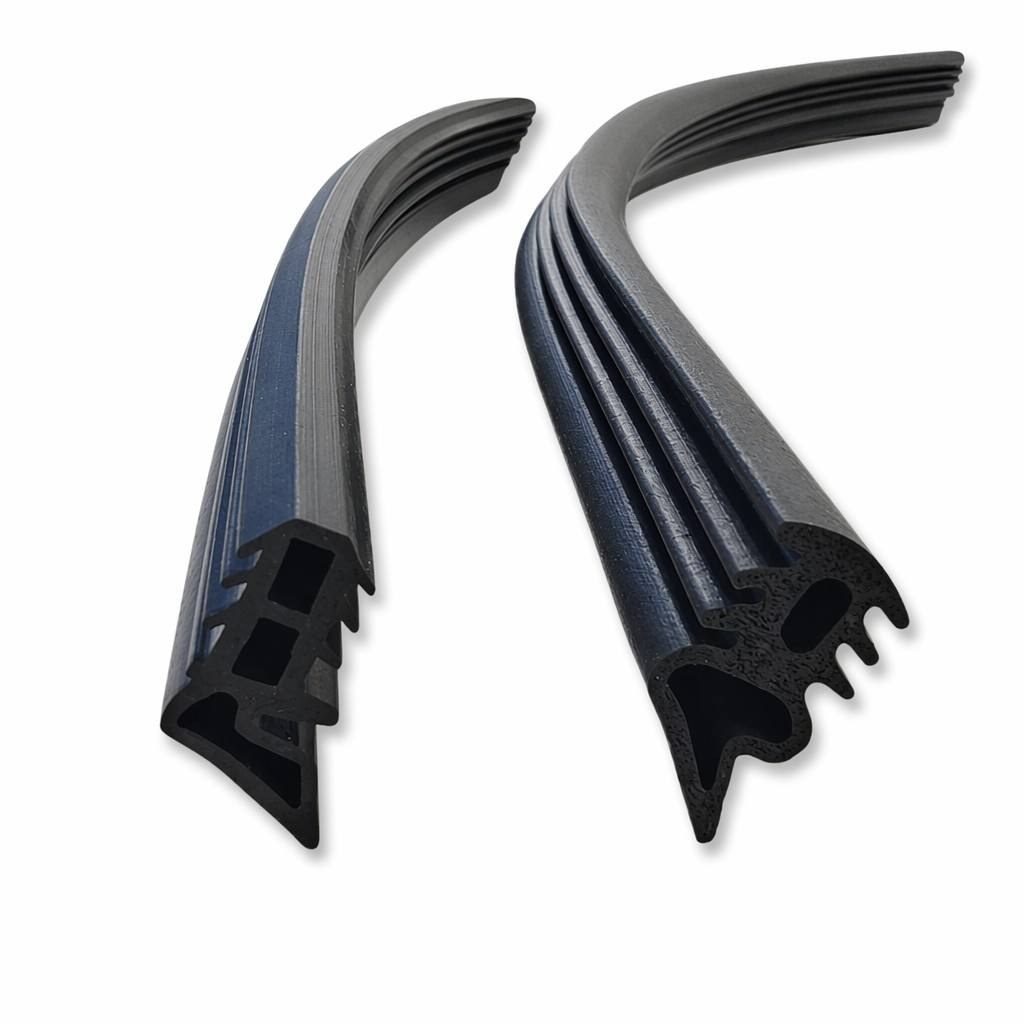
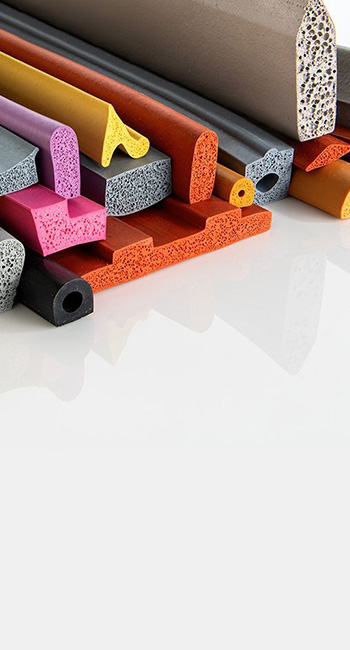
Surface preparation for strip installation
2. Fit the Strip Correctly
Start at one corner and press the strip evenly along the groove, avoiding stretching or twisting. Use a roller for even pressure on adhesive-backed profiles.
For bulb or P-seals, orient the sealing lip so it compresses toward the closing surface for a tight, even seal.
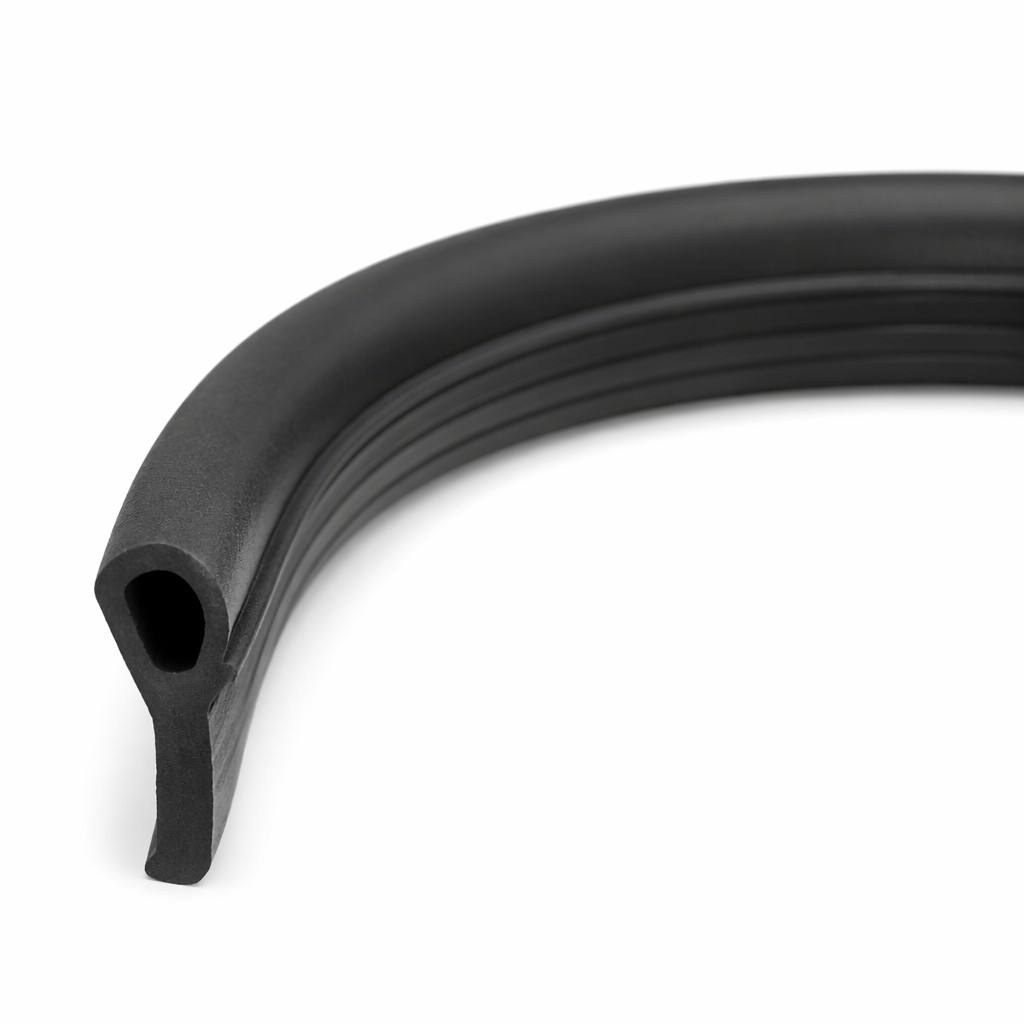
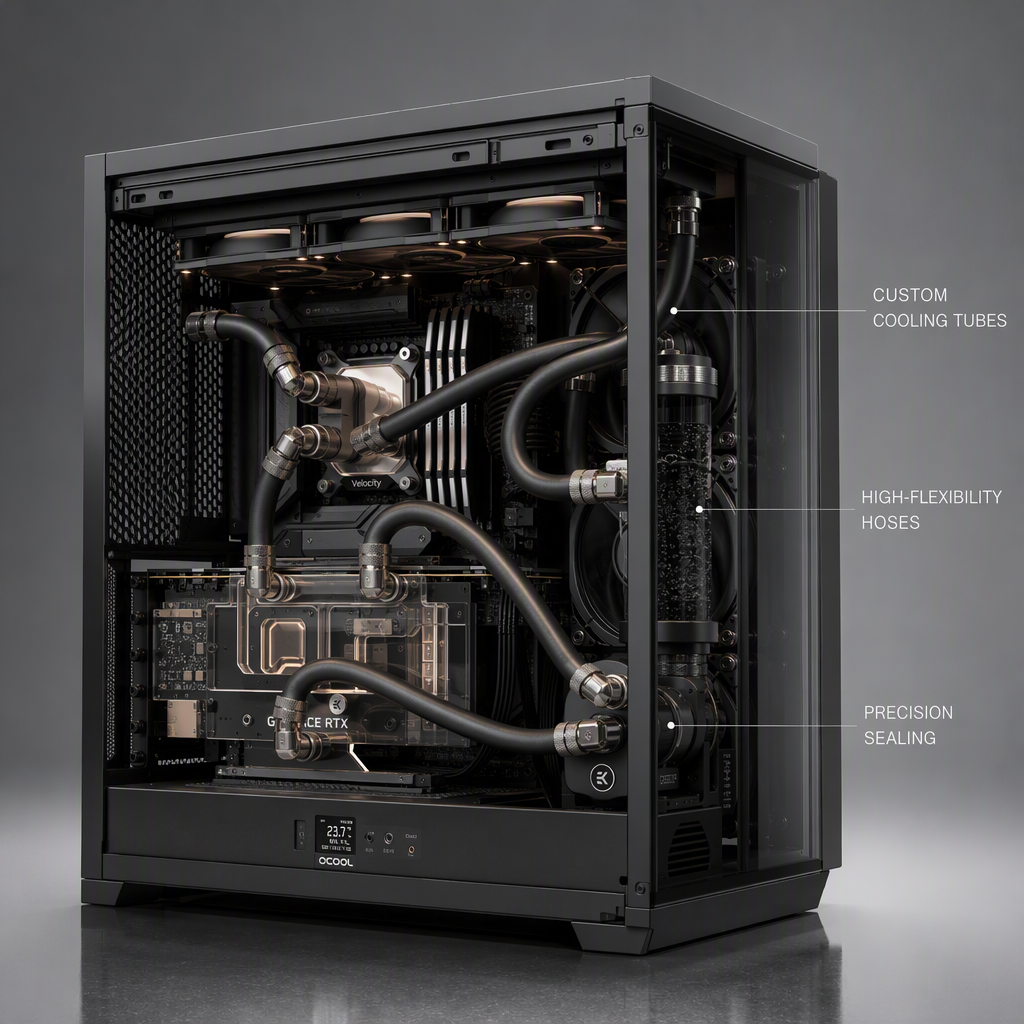
Correct strip fitting
3. Check the Seal Works
After installation, close the door, lid, or panel and inspect the contact line. The seal should compress evenly without gaps or buckling.
Test for air or water leaks in critical applications, and adjust the fit if the strip is compressed too little or too much.
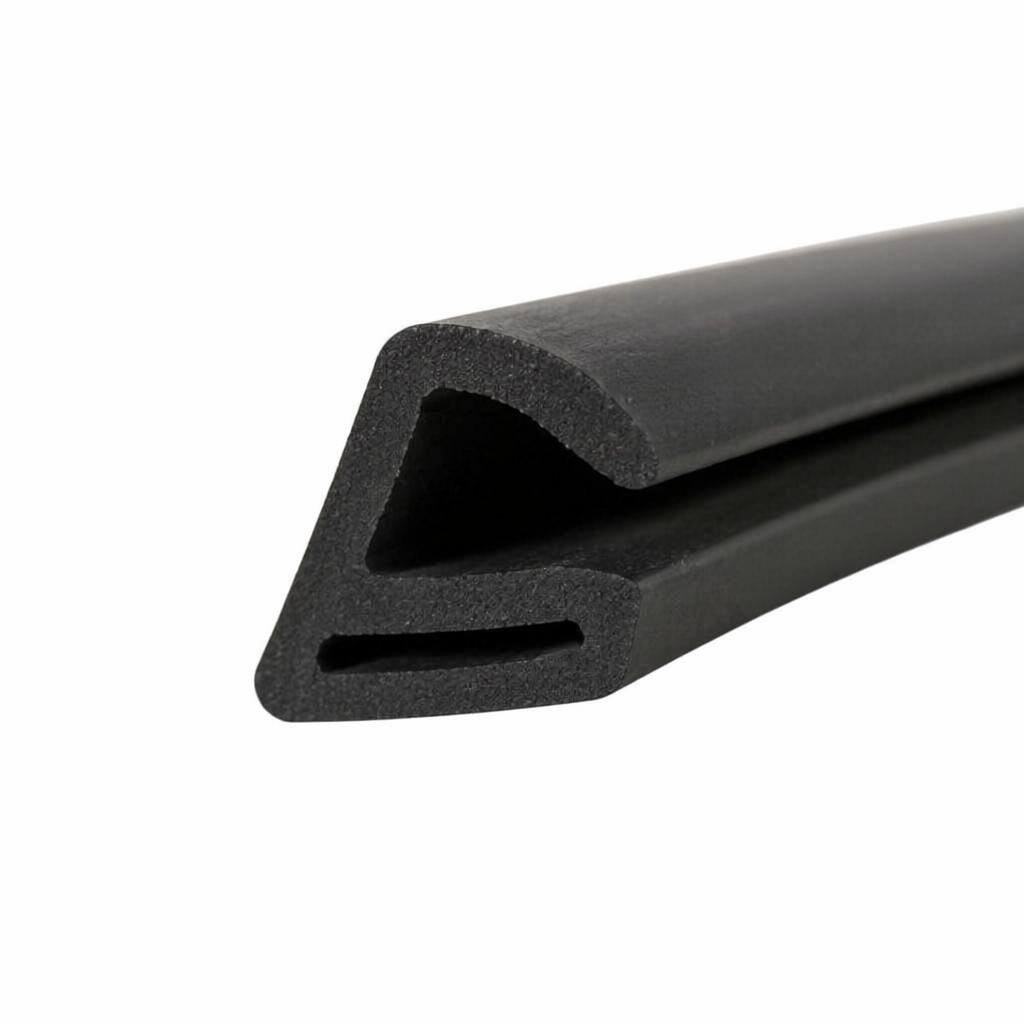
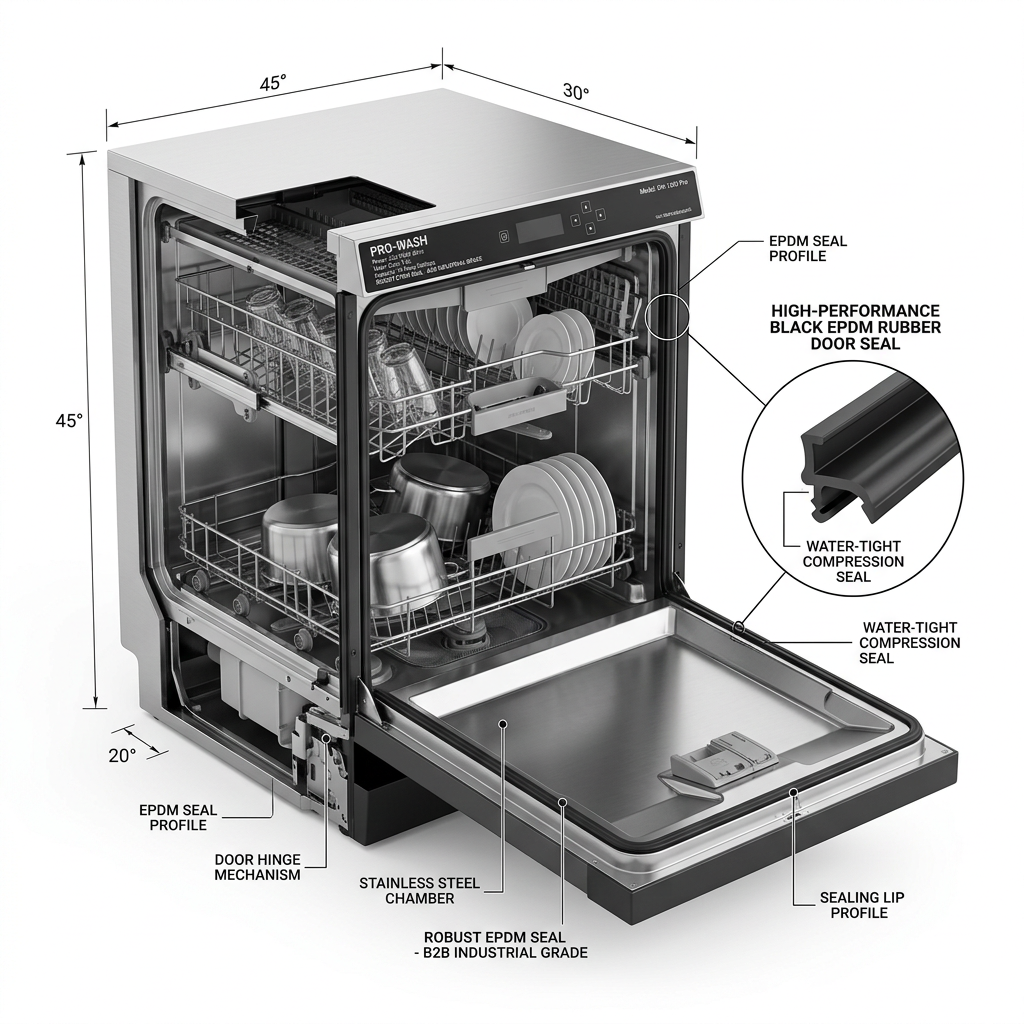
Weatherproof sealing check
4. Regular Inspection
Inspect strips periodically for cracks, hardening, compression set, or loose adhesion, especially after extreme temperatures or chemical exposure.
Catching wear early prevents expensive damage to the parts the strip protects.
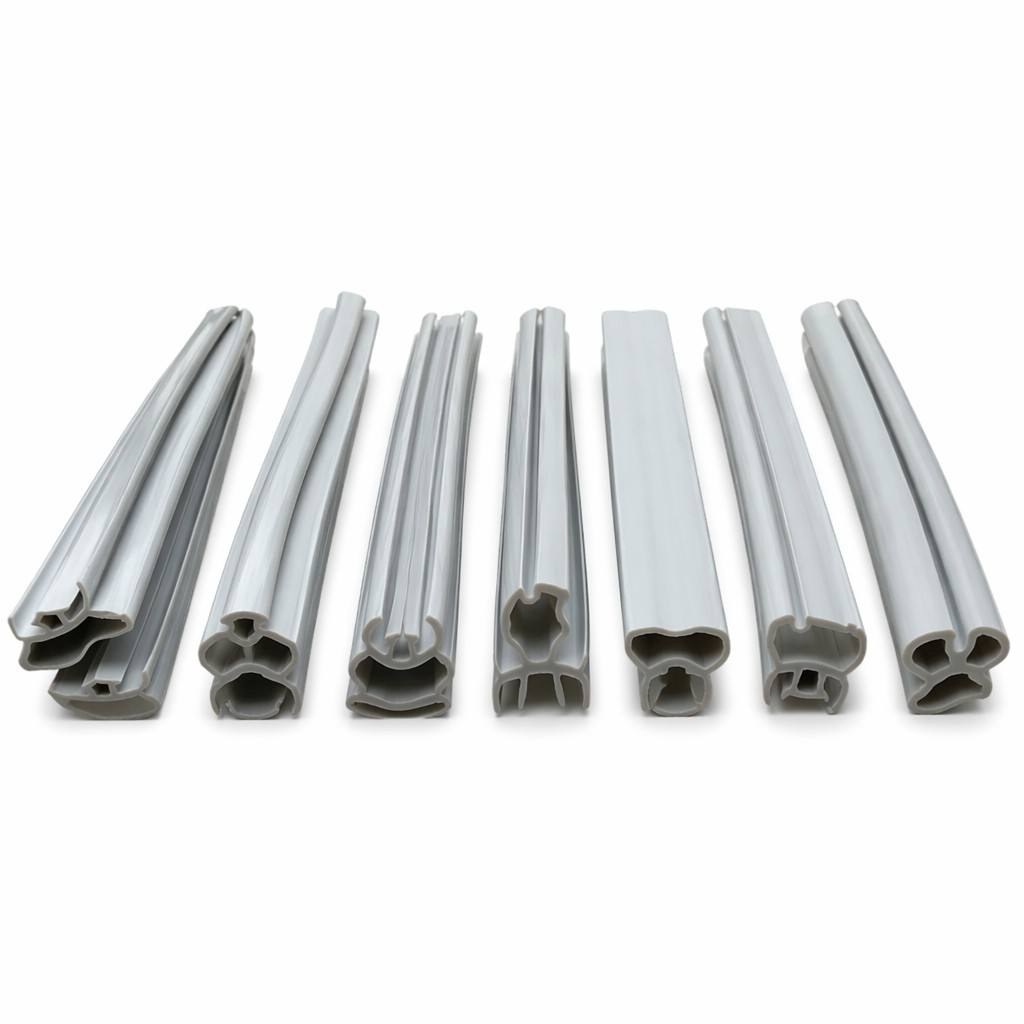
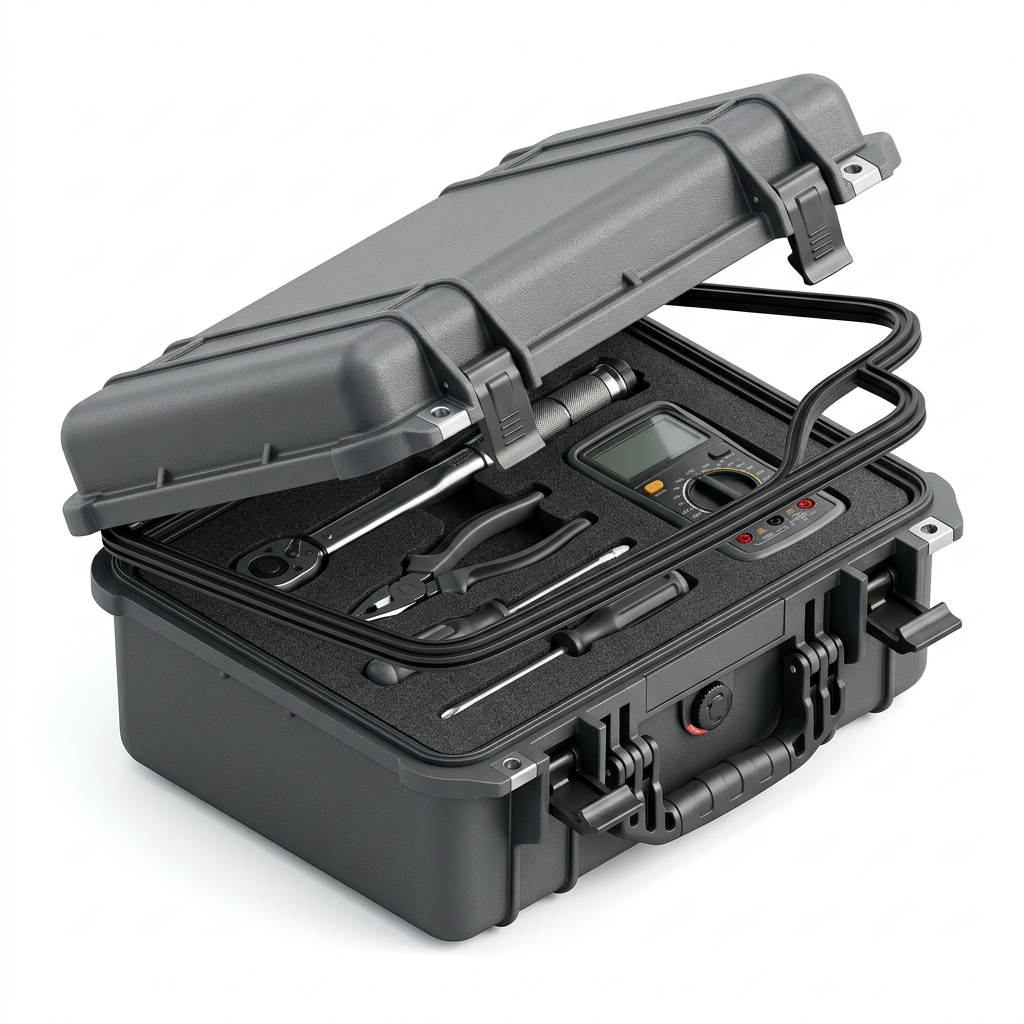
Periodic strip inspection
5. Know When to Replace
Replace a strip when it no longer springs back, shows visible cracks, or fails to seal. Most rubber strips have a service life of several years under normal conditions.
When replacing, clean the surface again and use the same material and profile to keep consistent performance.
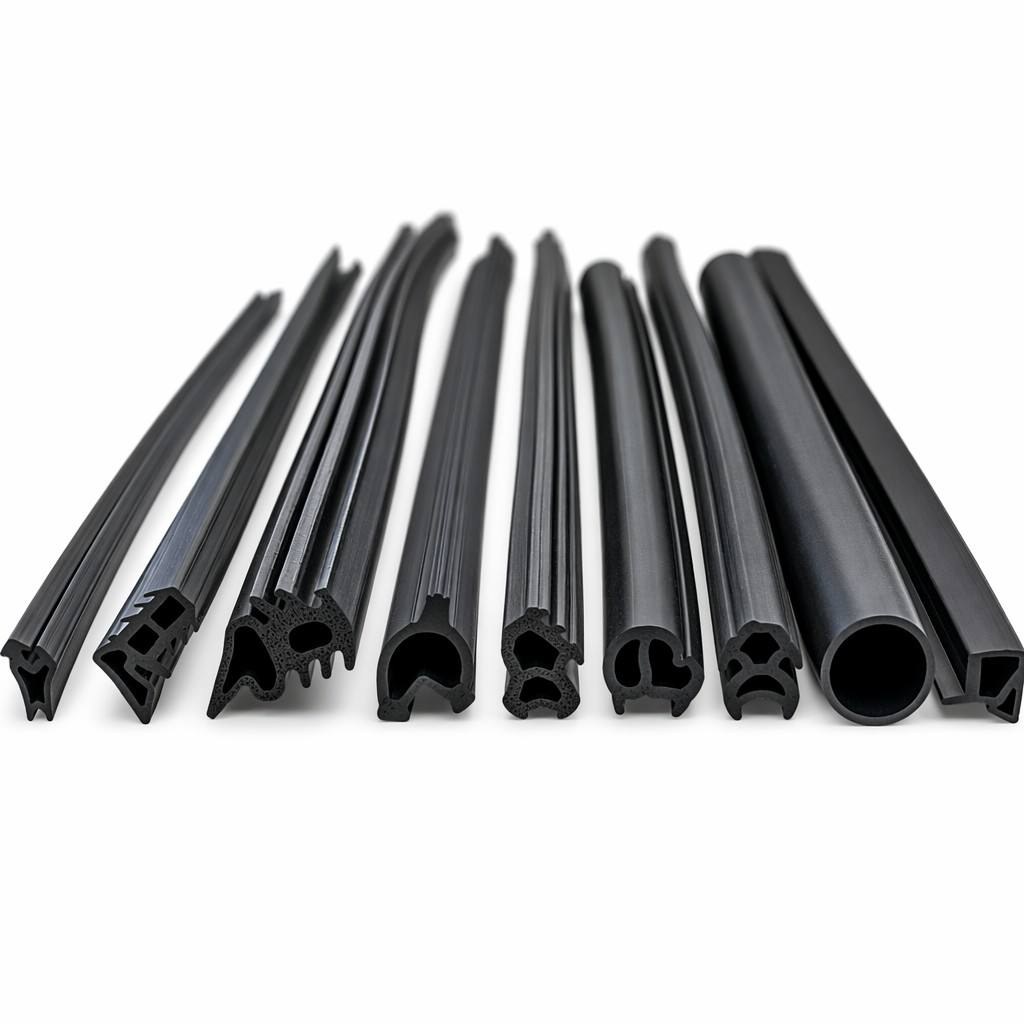
Timely strip replacement
Need replacement or custom strips? We supply durable EPDM, NBR, and silicone strips with custom profiles. Browse our EPDM products or contact us.