










Rubber and Silicone Seals for Home Appliances: Comparing Dryer, Microwave, Dishwasher, and Refrigerator Sealing Requirements
Home appliances — dryers, microwave ovens, dishwashers, and refrigerators — rely on rubber and silicone seals to contain heat, moisture, or cold. But each appliance presents different sealing challenges. A dryer seal must withstand sustained heat and moisture cycling; a microwave seal must block electromagnetic radiation while tolerating brief high-temperature exposure; a dishwasher seal faces steam, detergent, and mechanical compression; a refrigerator seal must maintain compression over years of repeated opening and closing. This article walks through the sealing requirements, common failure modes, and material selection criteria for each appliance type, helping engineers and procurement teams specify the right seal profile and compound for their application.
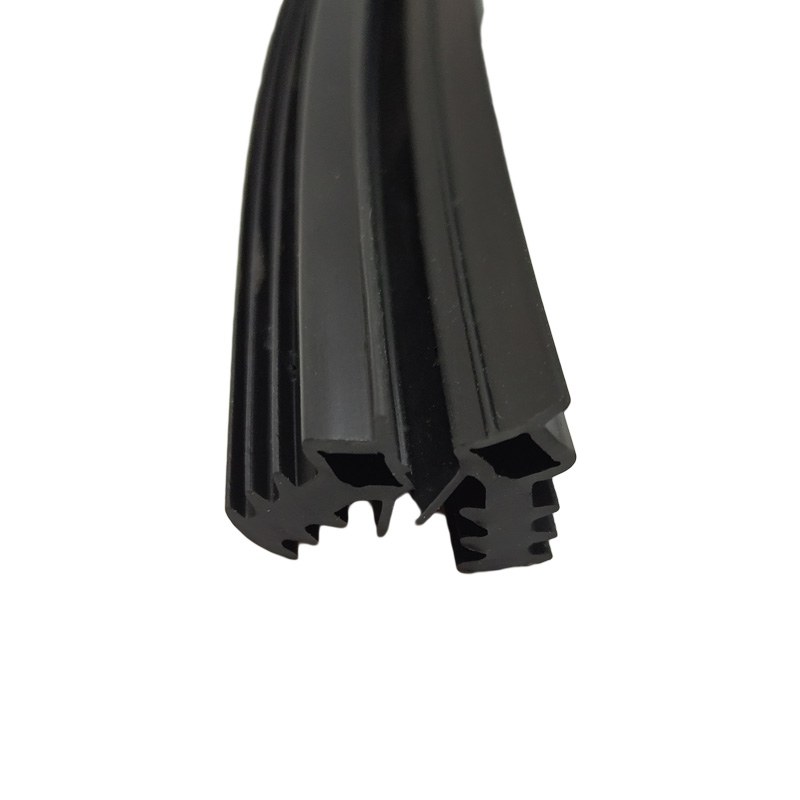
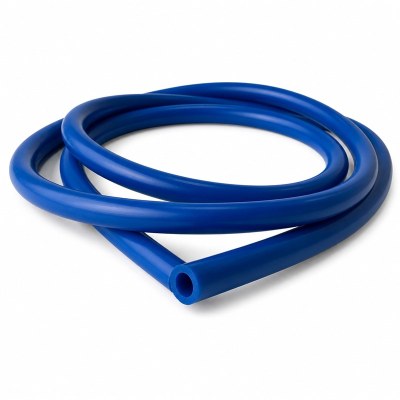
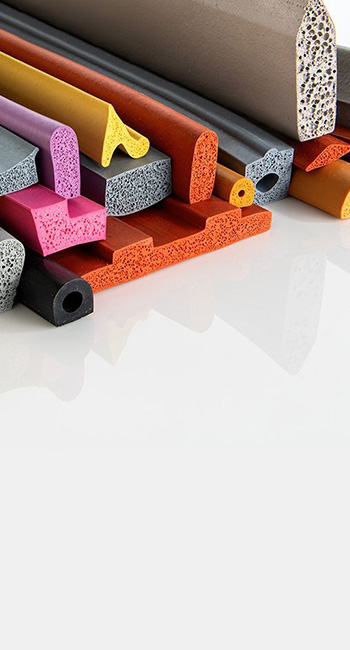
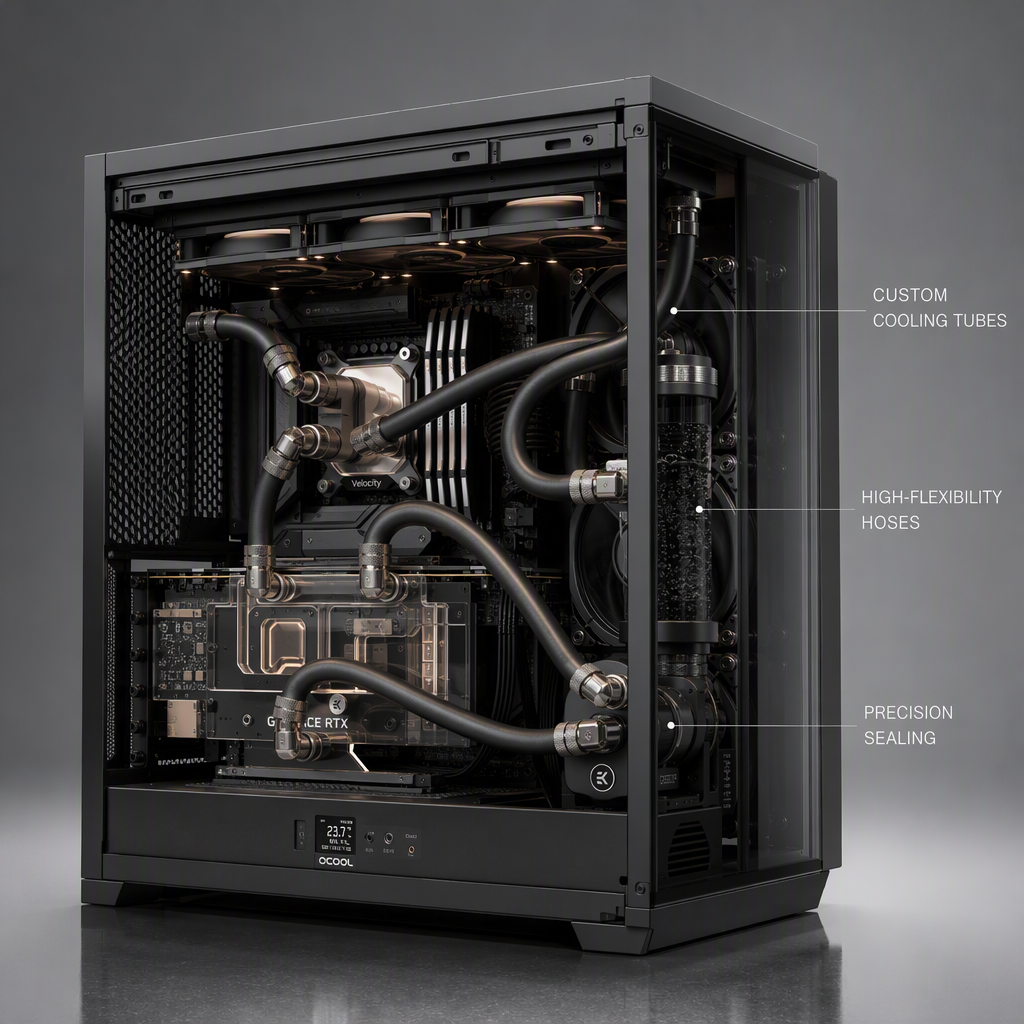
Note: The images shown are representative of seal profiles and installation patterns. Specific performance claims (temperature range, compression set, EMI attenuation) require testing against the actual appliance design and operating conditions. RESRUB offers free sample validation and custom tooling to match your exact requirements.
Dryer Door Seals: Heat and Moisture Retention
Dryer door seals operate in a continuous heat and moisture environment. During a typical cycle, the seal is exposed to temperatures between 50°C and 80°C for 30–60 minutes, with moisture-laden exhaust air passing through the drum-to-door interface. The seal must maintain compression to prevent hot air leakage while tolerating thermal expansion and contraction.
Material requirements:
- Heat aging: EPDM is the preferred base material, offering stable performance from -40°C to +120°C. Silicone can be used for higher-end models requiring +150°C capability.
- Compression set: After 1000 cycles at operating temperature, compression set should remain below 25% to maintain sealing force.
- Lint resistance: Smooth or lightly textured surface finish reduces lint accumulation in the seal groove.
Common failure modes: Hardening after prolonged heat exposure, compression set loss, or cracking at mounting corners where the seal bends through 90°. Specifying a compound with good heat aging (168 hours at 100°C, hardness change ≤ +10 Shore A) mitigates these issues. See Materials and Process Service for compound selection guidance.
Microwave Door Seals: EMI Shielding and Heat Isolation
Microwave oven door seals serve two functions: containing electromagnetic radiation within the cavity and isolating the outer door panel from cavity heat. Unlike dryer seals, microwave seals experience brief, intense heating (cavity temperatures can reach 100°C+) but only during operation, typically 5–10 minutes at a time.
Material requirements:
- EMI shielding: The seal itself does not provide EMI shielding (that comes from the metal choke structure and door latch), but it must seat consistently to maintain the choke's effectiveness. Silicone is preferred for its dimensional stability at high temperatures.
- Food contact: For seals exposed to the cavity interior, food-grade silicone meeting FDA 21 CFR 177.2600 is required.
- Compression recovery: Rapid return to original shape after door opening ensures consistent sealing on each close.
Common failure modes: Loss of compression recovery after thermal cycling, resulting in EMI leakage or uneven heating patterns. Silicone compounds with tensile elongation ≥ 300% and tear strength ≥ 15 kN/m provide the resilience needed. Note: actual EMI attenuation testing must be performed on the complete door assembly, not the seal alone. For custom seal profiles matched to your microwave door design, see Custom Rubber Solutions.
Dishwasher Door Seals: Steam, Detergent, and Compression
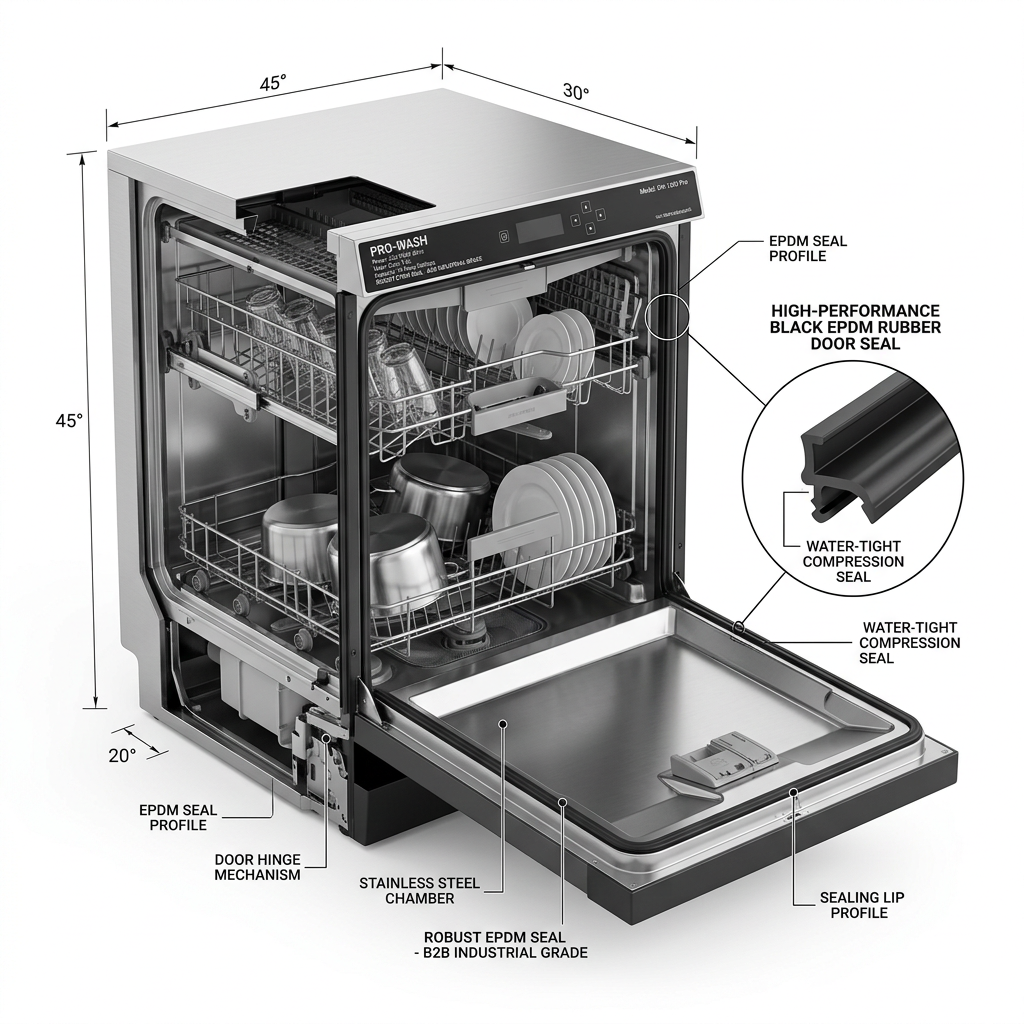
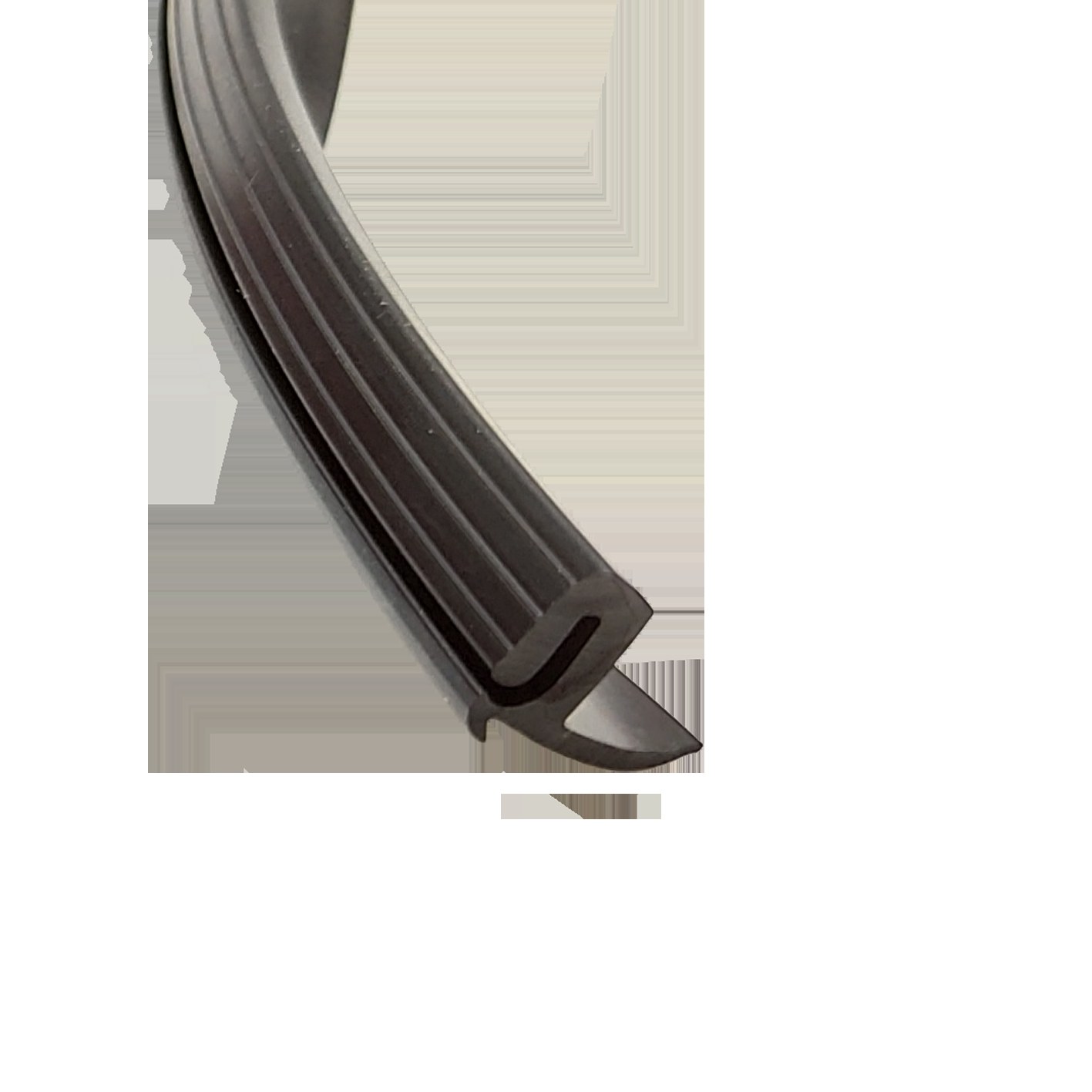
Dishwasher door seals face the most aggressive environment among these four appliances: steam at 70°C, alkaline detergent spray, and mechanical compression from the door latch. The seal must prevent water leakage while tolerating repeated exposure to hot water and cleaning agents.
Material requirements:
- Chemical resistance: EPDM resists alkaline detergents and remains stable in hot water. For premium models, silicone provides superior heat and chemical resistance.
- Hardness: 50–70 Shore A provides the balance of compression force and sealing conformance. Softer compounds seal minor irregularities; harder compounds resist extrusion under latch force.
- Mold resistance: Silicone naturally resists mold growth in the damp environment around the door perimeter.
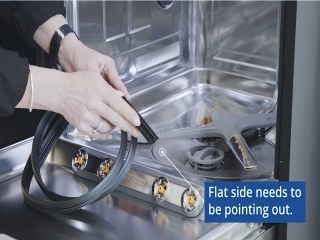
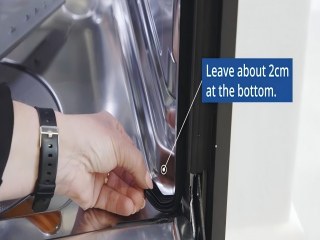
Installation detail: The flat side of the seal should align with the door frame, and the seal should extend approximately 2 cm below the door bottom to prevent water pooling. Misalignment during assembly is a common cause of early leakage. For complete dishwasher seal solutions and installation guidance, see Dishwasher Door Seal Solutions.
Inspecting Dishwasher Seal Fit
After installation, check the seal for uniform compression around the entire perimeter. Close the door and inspect the gap between the door and tub edge from the outside. A properly fitted seal should show no visible gaps and should compress evenly without bulging or buckling.
Validation procedure:
- Run a test cycle with the dishwasher empty and inspect for water leakage at corners and along the bottom edge.
- Measure compression set after 100 hours at 70°C (accelerated aging); set should remain below 30%.
- Check seal retention in the mounting groove after repeated door cycles (500+ openings).
For custom seal validation samples and testing support, contact RESRUB. MOQ 1 piece for prototype runs.
Verifying Compression Uniformity
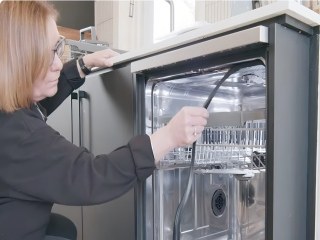
Uneven compression is a frequent cause of dishwasher leakage. Corners and hinge-side edges are particularly prone to insufficient compression due to door flex under latch force. When specifying a seal, request a compression-deflection curve from the supplier: at the design compression (typically 25–35% deflection), the seal should generate 0.3–0.6 N/mm of sealing force.
Profile design considerations:
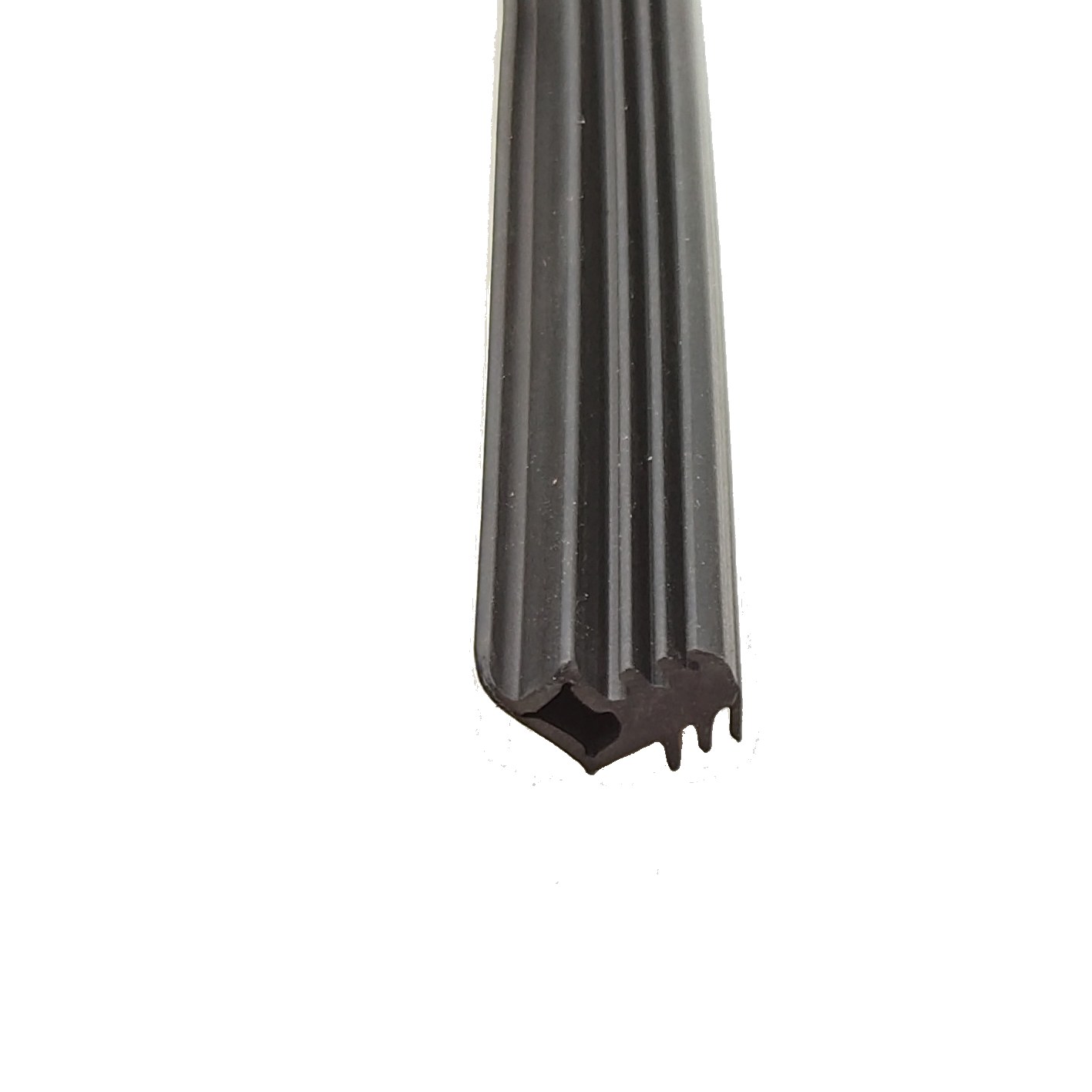
- Bulb or D-profile seals provide higher sealing force at lower compression compared to rectangular profiles.
- Reinforced mounting legs prevent the seal from pulling out of the groove during door flexing.
- Multi-durometer extrusions (soft sealing lip + harder base) can optimize both sealing and retention.
For profile design consultation and rapid prototyping (2-hour tooling turnaround), see Custom Extruded Profiles & Sealing Strips.
Refrigerator Door Seals: Cold Retention and Magnetic Closure
Refrigerator door seals (often called "gaskets") must maintain compression over millions of open/close cycles while operating at low temperatures. Most refrigerator seals incorporate a magnetic strip to assist closure and maintain contact pressure even when the door is not latched.
Material requirements:
- Low-temperature flexibility: The seal must remain flexible at -20°C (freezer compartment). EPDM and silicone both perform well; PVC is used in cost-sensitive applications but becomes brittle below -10°C.
- Compression set: After 10 years (≈ 10 million cycles), the seal should retain at least 70% of its original sealing force. Compounds with compression set < 20% after 168 hours at 70°C typically meet this requirement.
- Mold and mildew resistance: Silicone inherently resists microbial growth; EPDM can be compounded with fungicides.
Common failure modes: Loss of magnetic retention (magnetic strip corrodes or loses magnetization), cracking at corner bends, or compression set loss leading to air leakage and frost buildup. For material selection and compound recommendations, see Materials and Process Service.
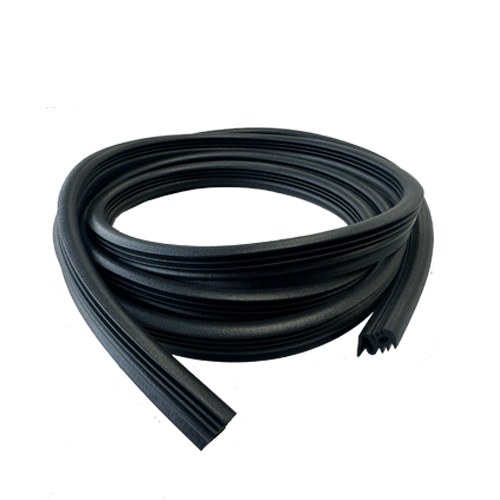
Material and Profile Selection Across Appliance Types
Choosing between EPDM and silicone—and selecting the right hardness and profile—depends on the appliance's operating conditions and cost targets. This table summarizes typical material choices:
| Appliance | Primary Material | Hardness (Shore A) | Key Test |
|---|---|---|---|
| Dryer | EPDM | 60–70 | Heat aging: 168h @ 100°C, hardness Δ ≤ +10 |
| Microwave | Silicone (food-grade) | 50–60 | Elongation ≥ 300%, tear ≥ 15 kN/m |
| Dishwasher | EPDM or Silicone | 50–70 | Compression set: 168h @ 70°C, set ≤ 30% |
| Refrigerator | EPDM or Silicone | 40–60 | Low-temp flex: -20°C, compression set < 20% |
EPDM offers excellent cost-performance for most applications. Silicone is specified when heat resistance above 120°C, food contact, or superior aging performance is required. For appliances targeting premium markets, silicone's inherent mold resistance and long-term dimensional stability justify the cost premium. RESRUB maintains in-house testing facilities to validate tensile strength, elongation, compression set, and heat aging per ASTM D412, D395, and D573. See About RESRUB for certification details (IATF 16949, ISO 9001, ISO 14001, REACH, RoHS).
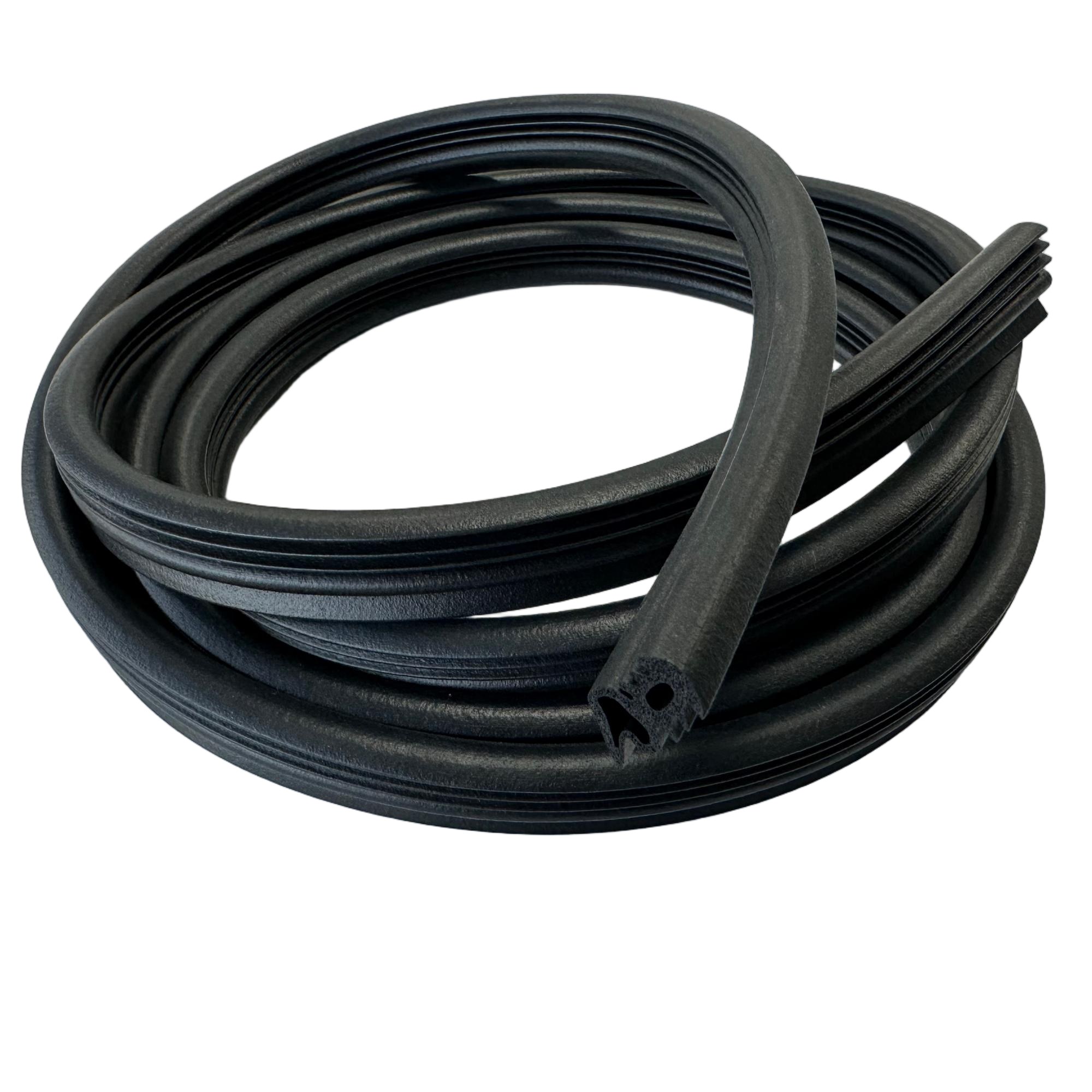
Specification Checklist for Appliance Seal Procurement
When issuing an RFQ for appliance door seals, include these parameters to ensure comparable quotes and suitable material selection:
- Operating temperature range: Continuous and peak exposure temperatures.
- Compression requirements: Design deflection (%) and required sealing force (N/mm).
- Chemical exposure: List any detergents, oils, or cleaning agents the seal will contact.
- Cycle life: Expected number of door open/close cycles over product lifetime.
- Profile dimensions: Provide a cross-section drawing with tolerances.
- Color and finish: Specify color (typically black) and surface texture.
- Regulatory: FDA food contact (if applicable), UL flammability rating, RoHS compliance.
Prototype and validation: Request sample tooling cost and lead time. RESRUB offers 2-hour rapid tooling for custom profiles and MOQ 1 for initial validation runs, allowing you to test fit and function before committing to production volumes. For established profiles, RESRUB maintains inventory of common dishwasher and refrigerator seal shapes for immediate sampling.