









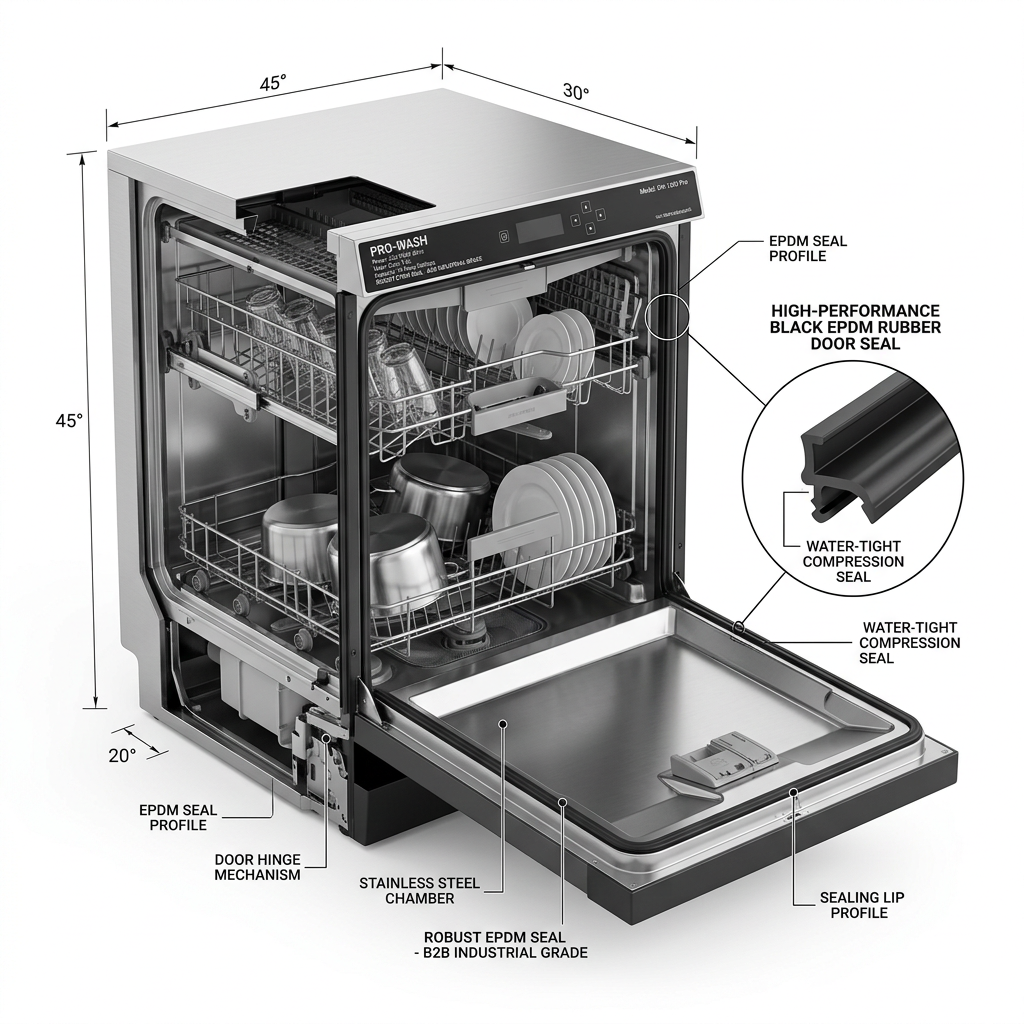
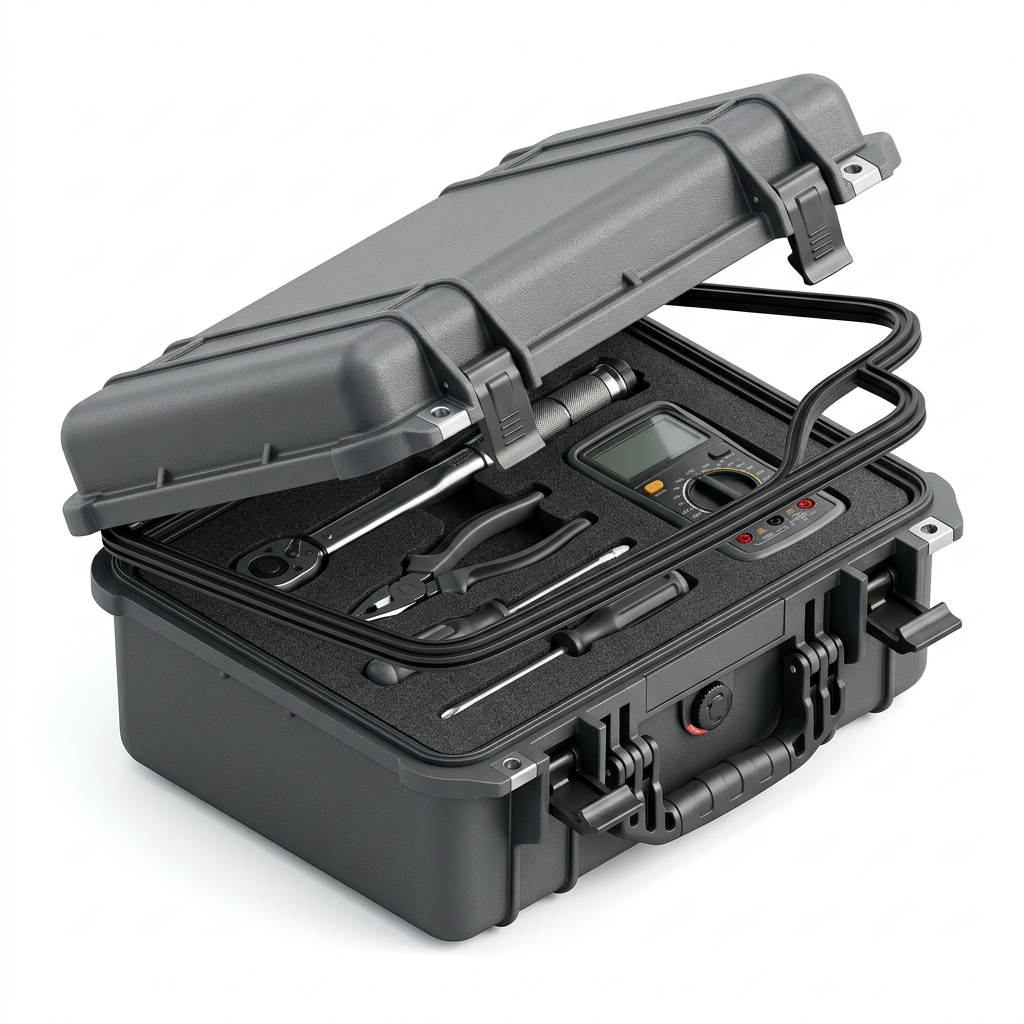


Silicone Rubber vs EPDM: How to Choose the Right Material
Material selection determines service life. A silicone or EPDM product can look correct on day one and still fail early if the compound does not match the fluid, temperature, weather, ozone or mechanical load. This guide gives B2B buyers a practical way to compare common rubber families before requesting samples or tooling.
Silicone Rubber vs EPDM: Start with the Temperature Window
Silicone rubber and EPDM are both strong choices for weather-resistant products, but they are not interchangeable. Silicone is usually selected for a wider operating temperature window, high flexibility and clean or high-purity applications. EPDM is often the more economical choice for water, coolant, outdoor sealing and many general industrial duties.
The best comparison begins with the complete temperature profile: normal operating temperature, short peaks, cold starts and the temperature of nearby surfaces.
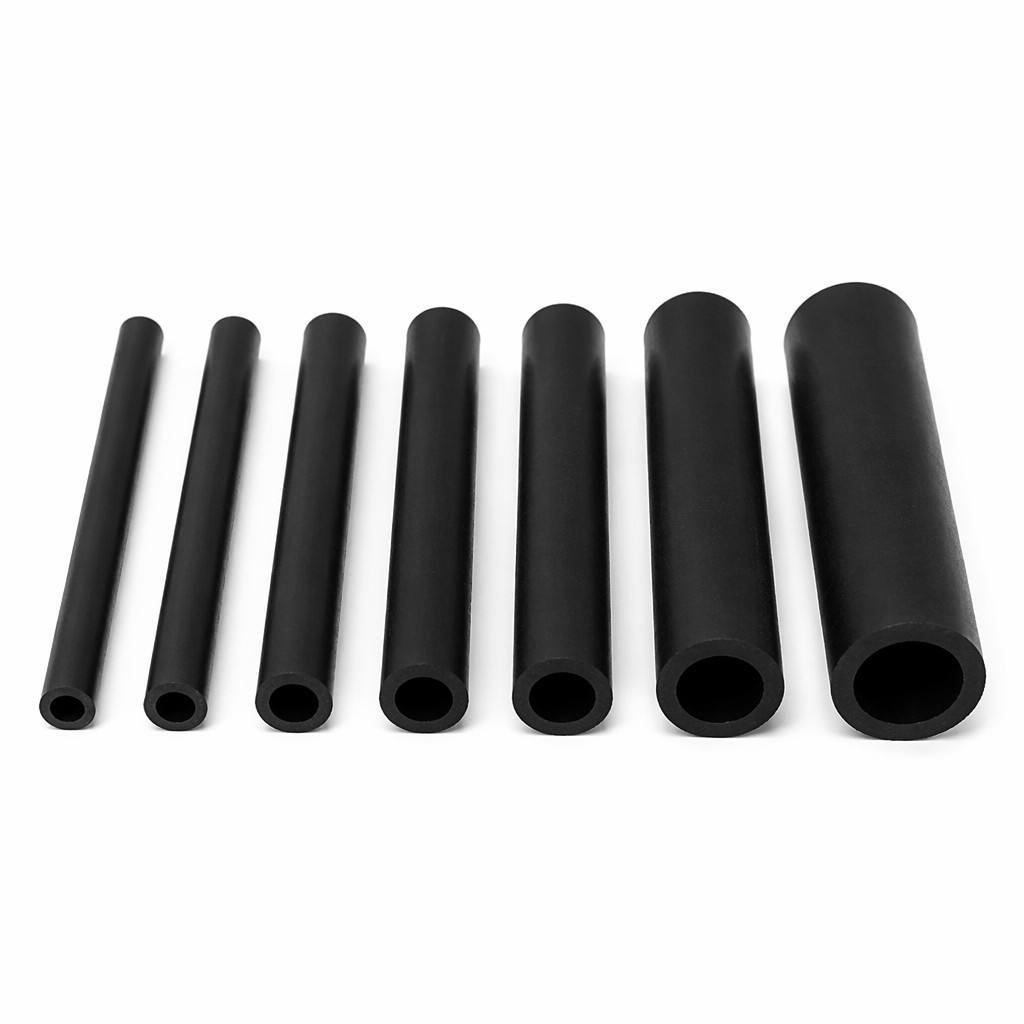
Performance Comparison
| Requirement | Silicone rubber | EPDM |
|---|---|---|
| Temperature range | Very wide range; grade and design determine the final rating | Broad range for many hot-water, coolant and outdoor uses |
| Weather and ozone | Very good resistance | Very good resistance |
| Water and steam | Good for many applications; verify pressure and grade | Very good for many water and steam duties |
| Oil and fuel | Generally not the first choice for petroleum media | Generally not suitable for petroleum oils and fuels |
| Flexibility | Excellent across a wide temperature window | Good, especially for outdoor and low-temperature service |
| Abrasion and tear | Often lower than tougher general-purpose rubbers | Generally stronger for many everyday mechanical duties |
| Cost | Usually higher | Often more economical for equivalent profiles |
When Silicone Is the Better Choice
Consider silicone rubber when the product must remain flexible across unusually high or low temperatures, when low odour and clean surfaces matter, or when the application requires a silicone-specific compliance grade. Silicone tubing and profiles are common in selected food, laboratory, medical and high-temperature equipment projects, but the exact certification must be verified for the finished compound and product.
Do not assume “silicone” automatically means food-grade or medical-grade. Ask for the relevant documentation, test method and product scope before making a compliance claim.
When EPDM Is the Better Choice
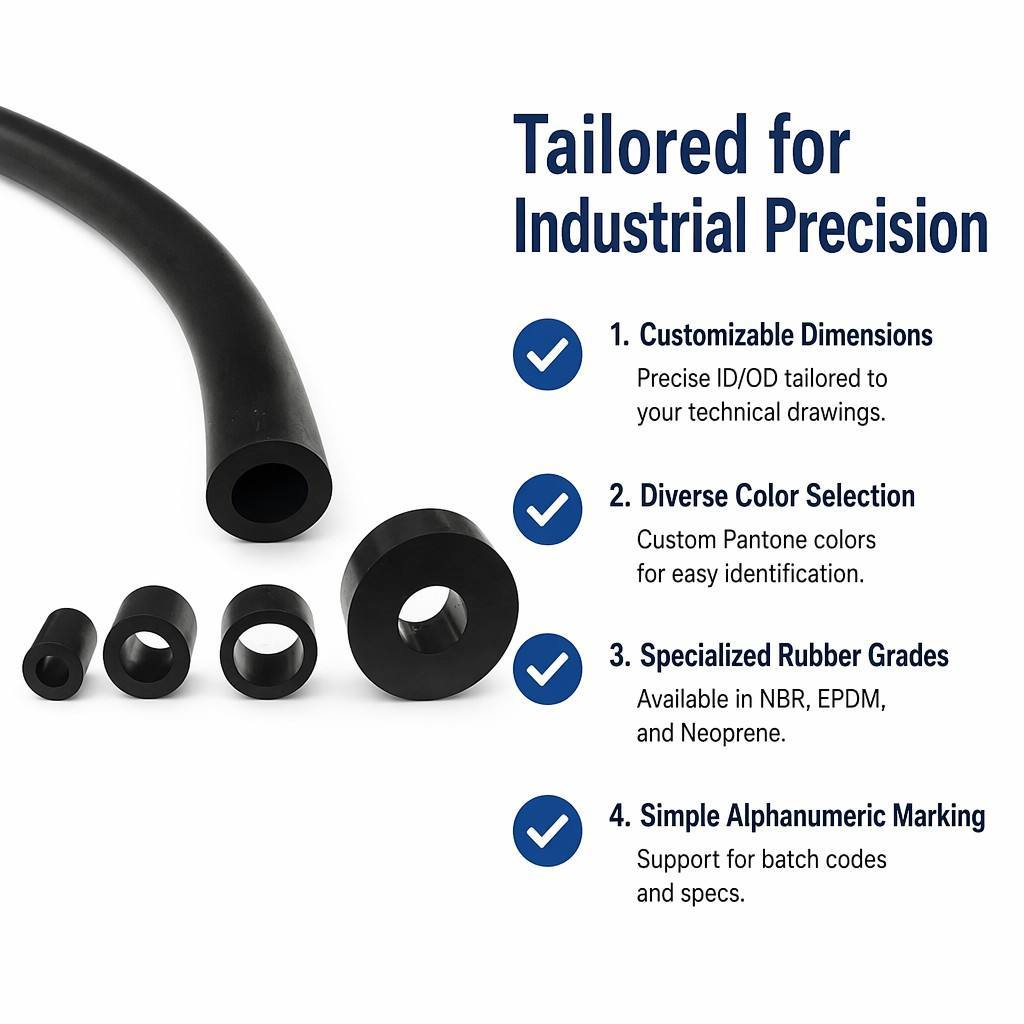
EPDM is usually the practical choice for outdoor seals, doors and windows, automotive coolant and heating circuits, HVAC water systems, and general weather-exposed profiles. It offers a strong balance of weather resistance, water compatibility, flexibility and cost.
For EPDM hose and profile options, see our rubber product range. Confirm the actual compound, temperature, pressure and media before approval.
A Practical Decision Path
| If your priority is... | Start by comparing... | Typical first candidate |
|---|---|---|
| Extreme or rapidly changing temperature | Continuous and peak temperature, flexibility after cycling | Silicone rubber |
| Outdoor life and ozone resistance | UV, ozone, weather, water and expected service life | EPDM |
| Oil or fuel contact | Fluid compatibility, swelling and hardness change | NBR rather than EPDM or standard silicone |
| Lowest total cost for a water seal | Media, temperature, compression set and profile design | EPDM in many cases |
| Regulated food or medical use | Finished-product certification and traceability | Qualified silicone or EPDM grade, subject to documents |
What to Send for a Reliable Recommendation
A supplier can recommend a compound more accurately when the inquiry includes the media, temperature range, pressure, exposure, hardness, dimensions, colour, length, annual quantity and any compliance requirement. A drawing or sample is helpful, but a clear application description is the essential starting point.
Our custom OEM/ODM service can support material selection, profile development, extrusion and cut-to-length processing.