










TPE vs TPR vs TPV vs PVC: A Buyer’s Guide to Thermoplastic Materials
Thermoplastic does not mean one single material. TPE, TPR, TPV and PVC cover different formulations and performance profiles. This guide helps buyers frame the right questions before choosing a grade for a hose, sealing strip, foam strip, solid profile or other custom-extruded part.
TPE, TPR, TPV and PVC: A Clear Starting Point
Thermoplastic materials are attractive when buyers need efficient processing, soft touch, flexibility, colour options or the possibility of reprocessing production scrap. TPE is a broad family; TPR is commonly used for styrenic thermoplastic rubber compounds; TPV combines a thermoplastic matrix with a cross-linked rubber phase; PVC is a thermoplastic polymer that can be formulated from rigid to flexible.
Because these names cover many grades, the material label alone is not enough. Ask for the grade, hardness, temperature rating, chemical compatibility and test data for the finished product.
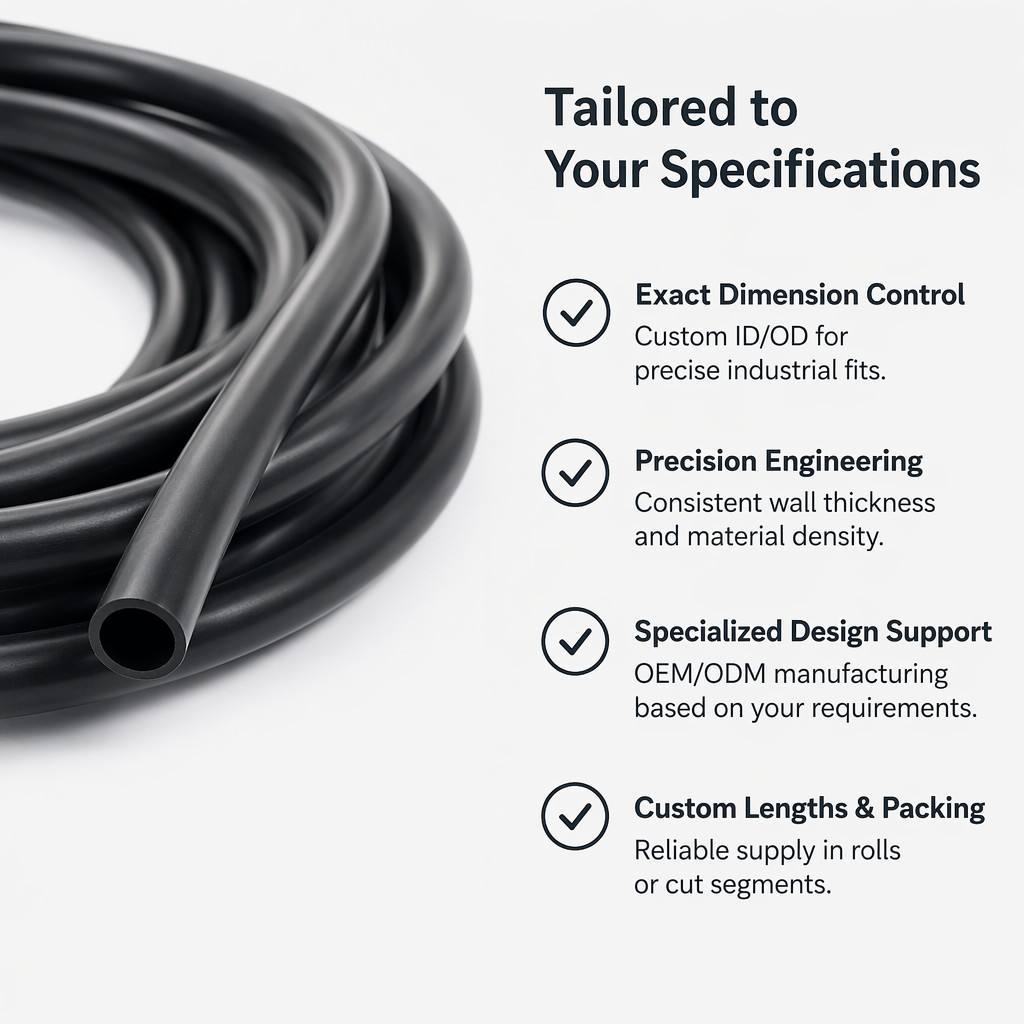
What Each Material Is Usually Good At
| Material | Common advantages | Typical product directions |
|---|---|---|
| TPE | Softness, flexibility, colourability and efficient thermoplastic processing | Soft profiles, tubing, grips and flexible extrusions |
| TPR | Elastic feel, convenient processing and cost-oriented designs | General-purpose soft strips, grips and flexible parts |
| TPV | Heat and weather resistance with thermoplastic processing benefits | Automotive seals, durable profiles and demanding outdoor parts |
| PVC | Wide formulation range, chemical resistance in selected duties and cost control | Flexible tubing, protective profiles and general-purpose extrusions |
TPE and TPR: Flexible Processing Options
TPE and TPR are often considered when a project needs a soft, flexible part that can be extruded efficiently and supplied in a selected colour or hardness. They can suit profiles, tubing, grips and other products where processing productivity and design flexibility are important.
Check before approval: low-temperature flexibility, compression set, oil resistance, UV exposure and long-term heat can vary significantly between grades. A TPE or TPR label should never replace a grade-specific datasheet.
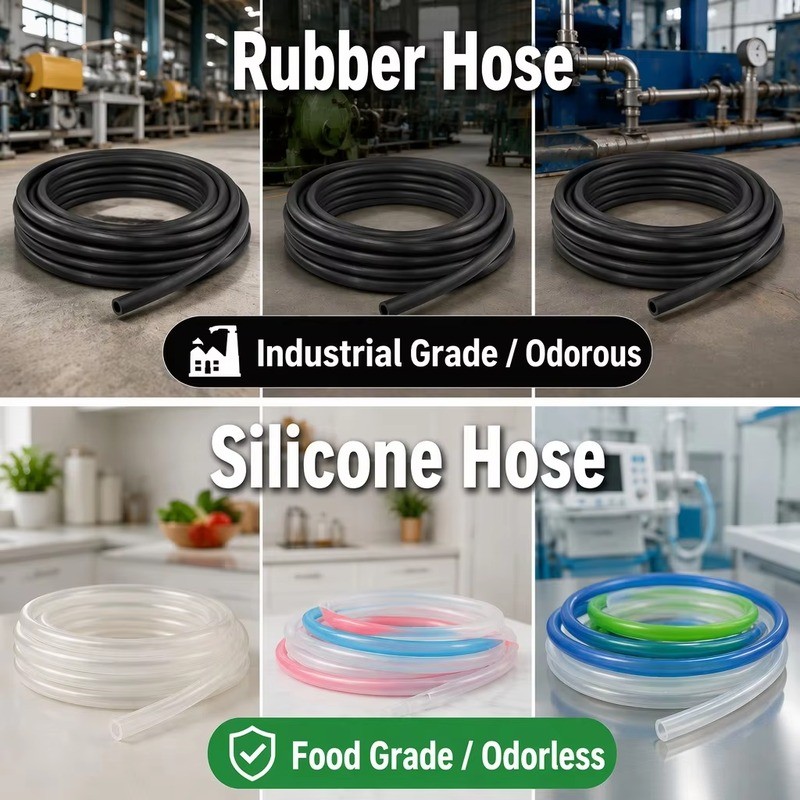
TPV: A Strong Candidate for Durable Profiles
TPV is often evaluated for applications that need a balance of rubber-like elasticity, weathering performance and thermoplastic processing. It can be a good starting point for selected automotive, appliance and outdoor sealing profiles where consistent dimensions and repeatable extrusion matter.
The final suitability depends on the grade, profile geometry, compression requirement, operating temperature and exposure. Compare the finished profile rather than relying only on resin-family claims.
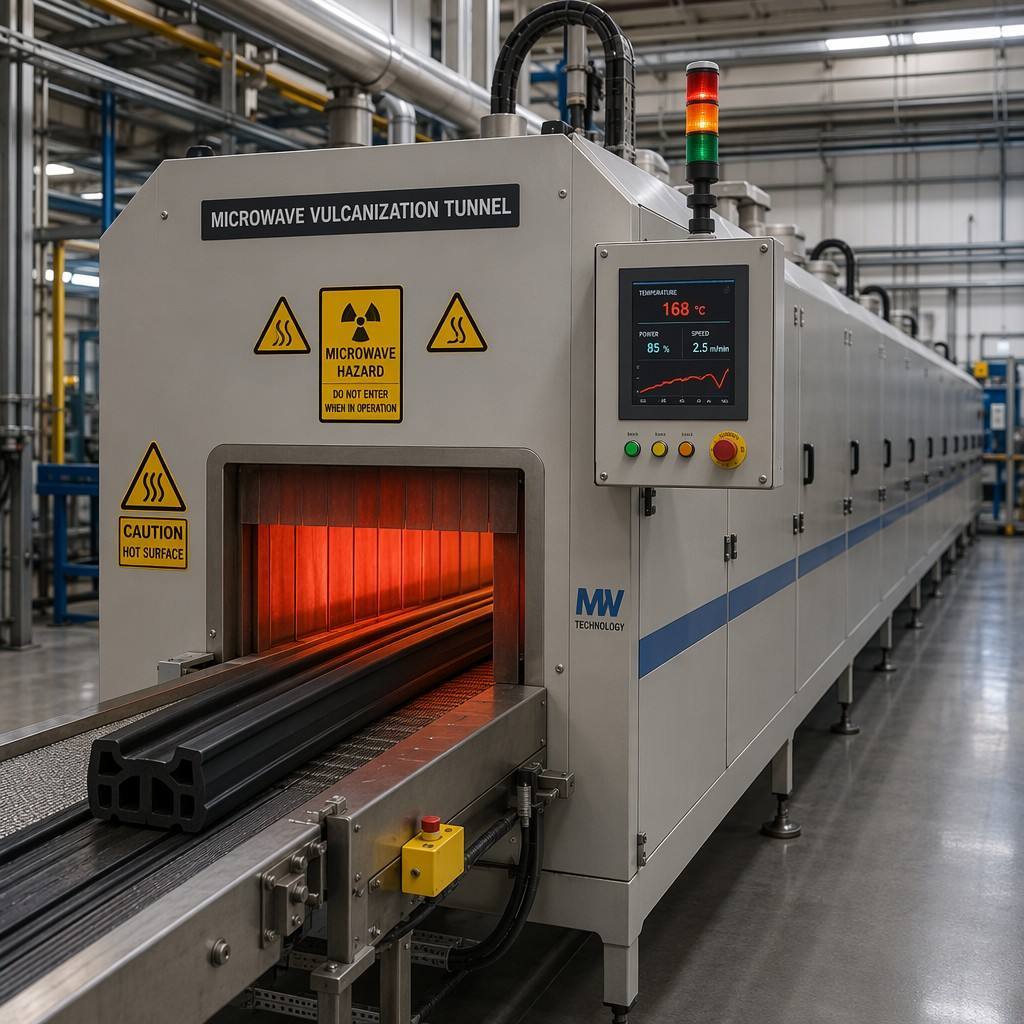
PVC: Useful Across a Wide Formulation Range
PVC can be formulated for flexible tubing and profiles, and it is often considered when a project needs specific stiffness, colour, processing or cost characteristics. Its performance depends strongly on plasticizer system, stabilizers, additives and the exact operating environment.
For continuous heat, outdoor exposure, chemical contact or dynamic flexing, ask for application-specific test data. “PVC” by itself is not a complete specification.
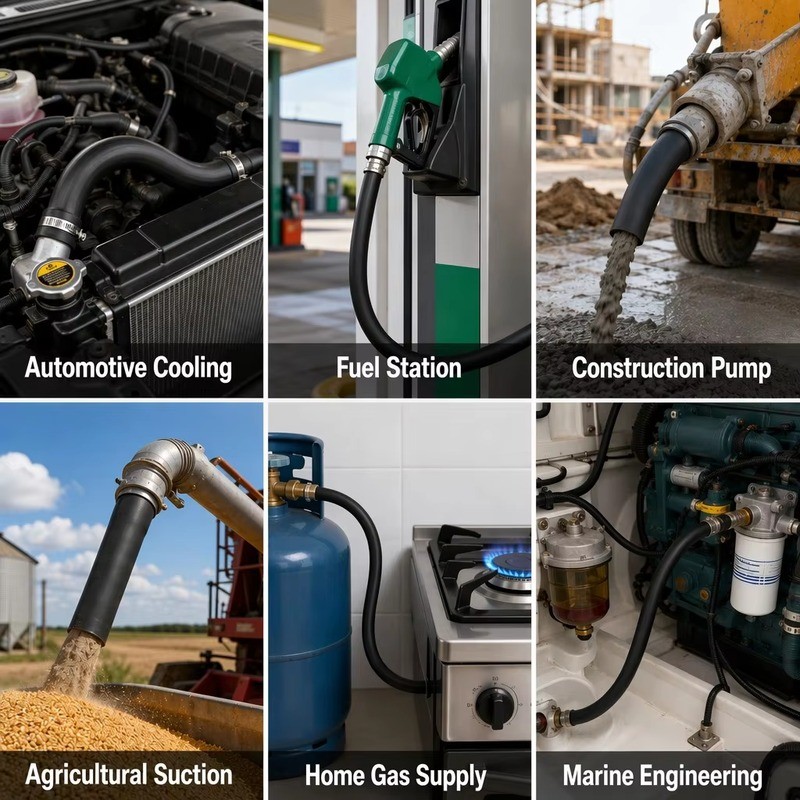
Selection Checklist for Thermoplastic Materials
| Requirement | Questions to ask | Why it matters |
|---|---|---|
| Temperature | What are the continuous and peak temperatures? | Heat can change hardness, compression and service life |
| Environment | Will the part see UV, ozone, water, oil or cleaning chemicals? | Grade-specific compatibility controls swelling and degradation |
| Mechanical load | Is it compressed, stretched, flexed, abraded or pressure-loaded? | The right elastic and tear properties depend on the load |
| Processing | Is the product extruded, co-extruded, overmolded or cut? | The process affects material choice and tolerances |
| End of life | Does the project require reprocessing or a specific sustainability target? | Confirm the actual material system and recycling route |
From Material Choice to a Custom Product
After selecting a candidate grade, define the drawing, hardness, colour, length, tolerance and surface finish. Our custom rubber solution service can support material selection, profile design, extrusion, cut-to-length and other agreed processing requirements.
Browse the product range for examples, then send your specifications for a project-based recommendation.