











What Is a Rubber Strip? Types, Materials and Applications
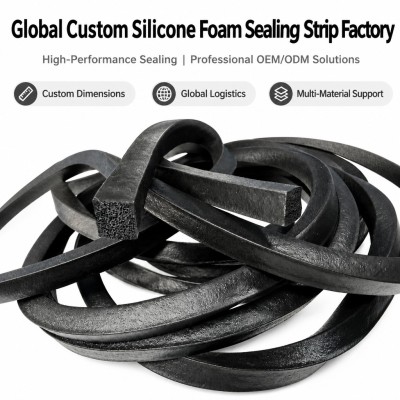
A rubber strip is a flexible, extruded rubber profile used to seal, cushion, protect, and insulate joints and gaps across countless products. At RESRUB, we manufacture rubber strips in EPDM, NBR, silicone, and other materials for automotive, appliance, electronic, and industrial applications.
This guide explains the main types of rubber strips, the materials they are made from, and where they are used.
1. Types of Rubber Strips
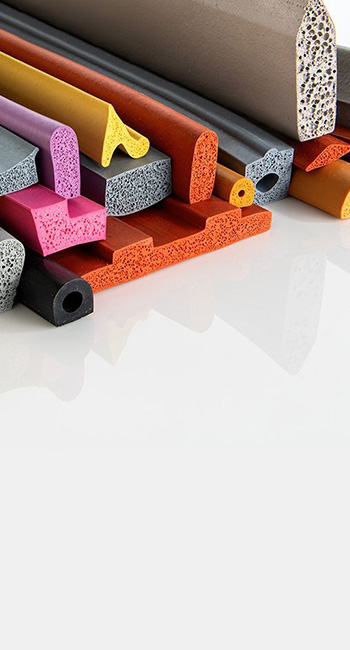
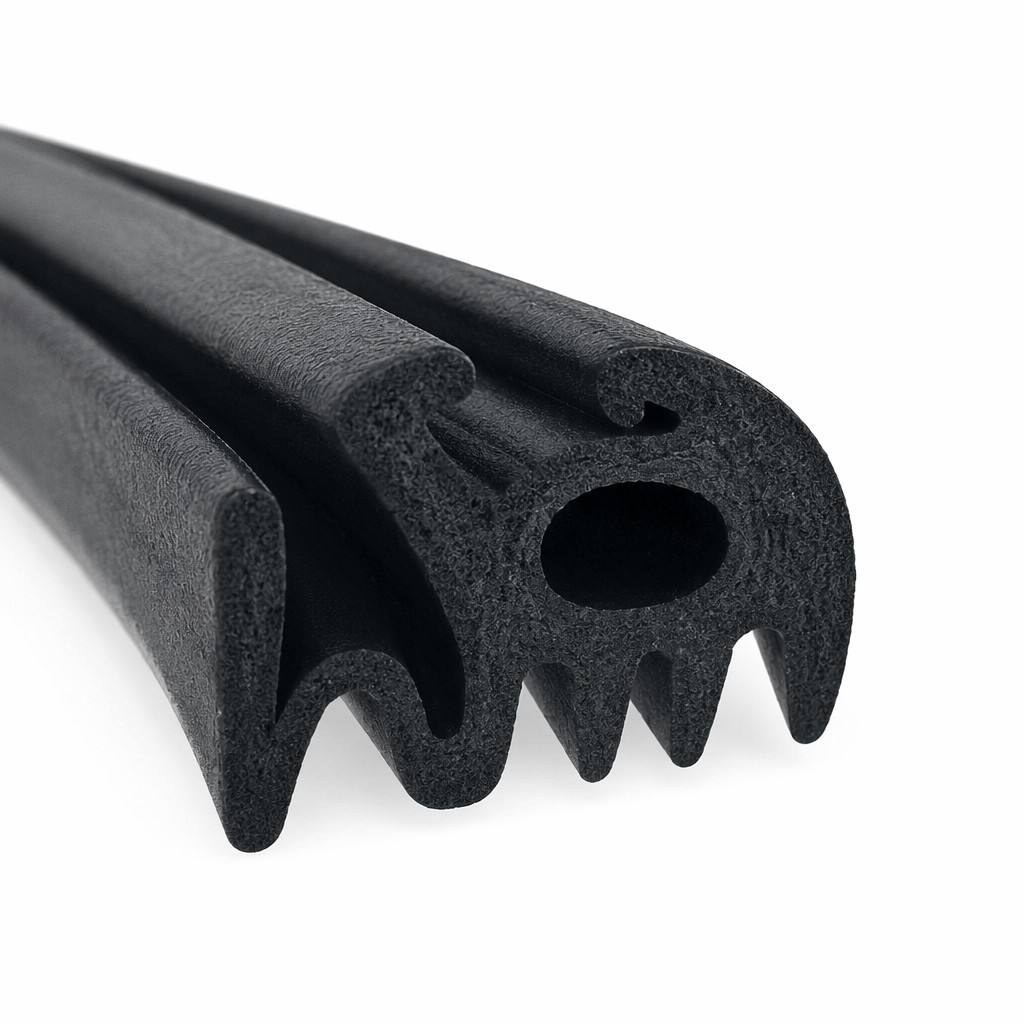
Rubber strips come in solid, sponge, and co-extruded forms. Solid strips offer firm sealing and structural support, sponge strips compress easily for gap filling, and co-extruded strips combine a rigid core with a soft sealing lip.
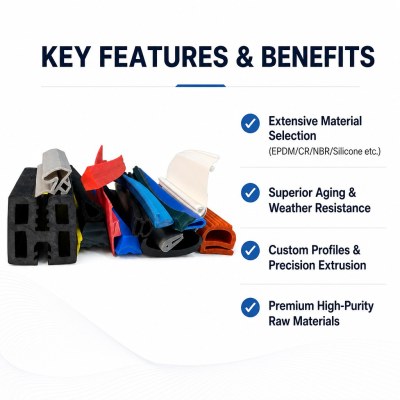
Common profiles include flat strips, bulb seals, U-channels, P-seals, and custom cross-sections matched to the application.
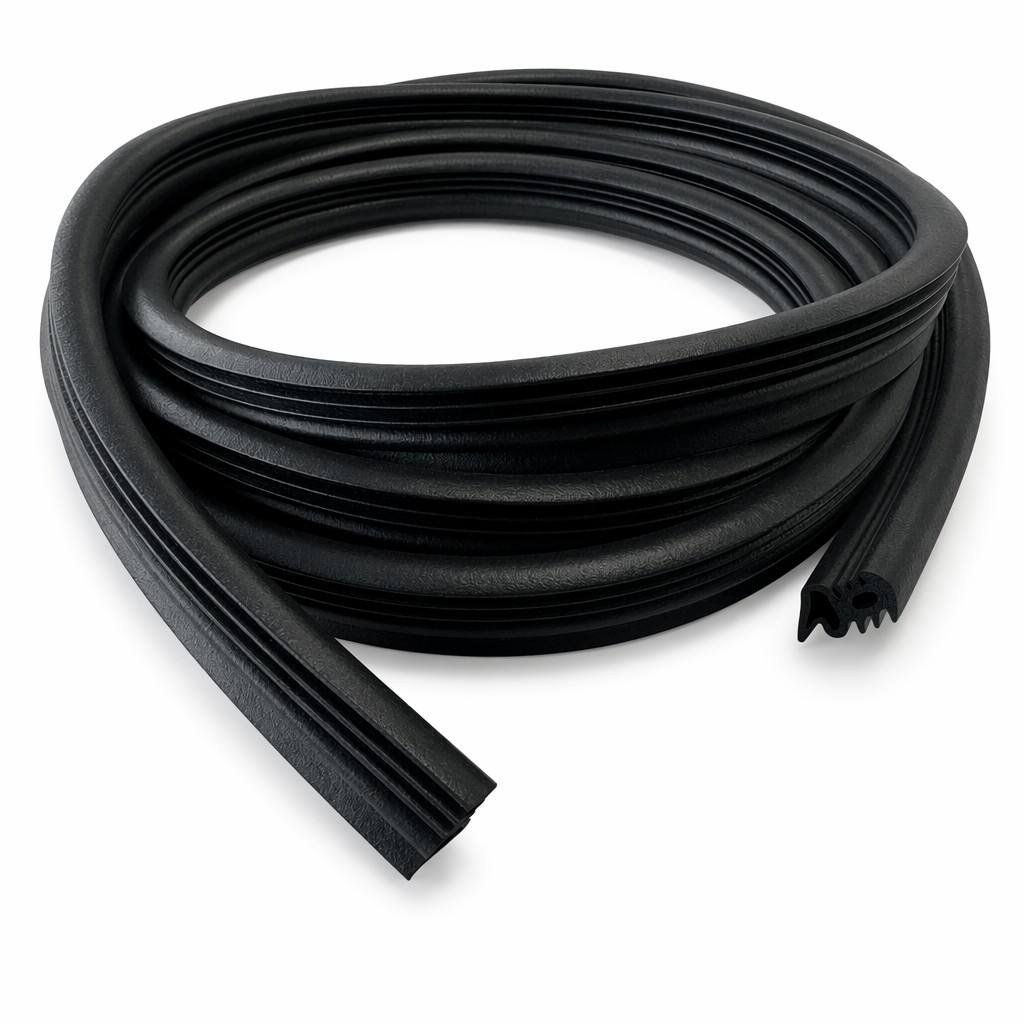
Common rubber strip profiles
2. Materials We Use
EPDM resists weathering, ozone, UV, and temperature extremes from -40°C to +120°C, making it ideal for outdoor and automotive sealing.
NBR provides excellent oil and fuel resistance for industrial and automotive uses, while silicone handles high temperatures up to 200°C+ with food-contact options.
EPDM, NBR, silicone rubber strips
3. Door and Window Sealing
Rubber strips seal the perimeter of doors and windows to block air, water, dust, and noise. A well-fitted seal reduces energy loss and improves comfort.
Automotive door seals, household appliance gaskets, and building door seals all rely on precision-extruded rubber strips.
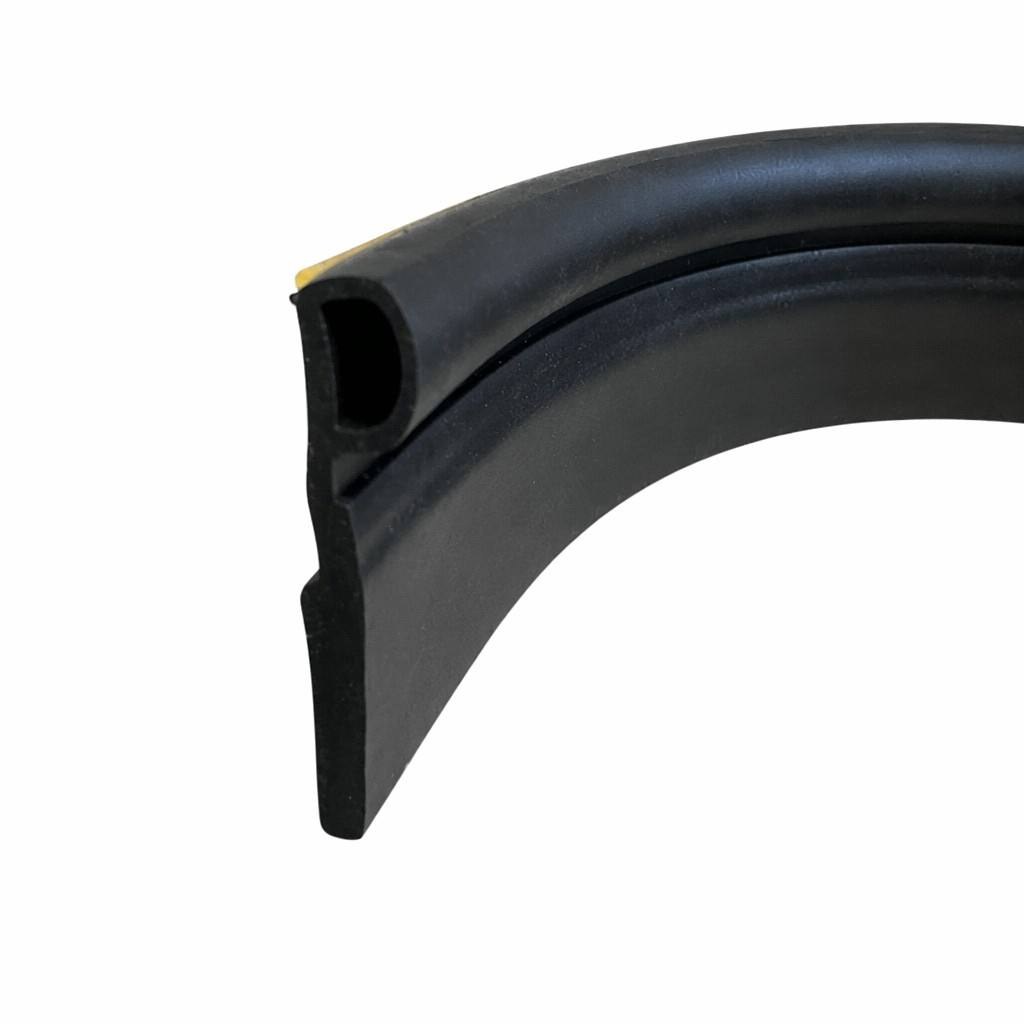
Door seal rubber strip in use
4. Waterproofing and Weather Resistance
For outdoor enclosures, waterproof rubber strips protect sensitive components from rain and humidity. EPDM strips are the first choice for weather-exposed sealing.
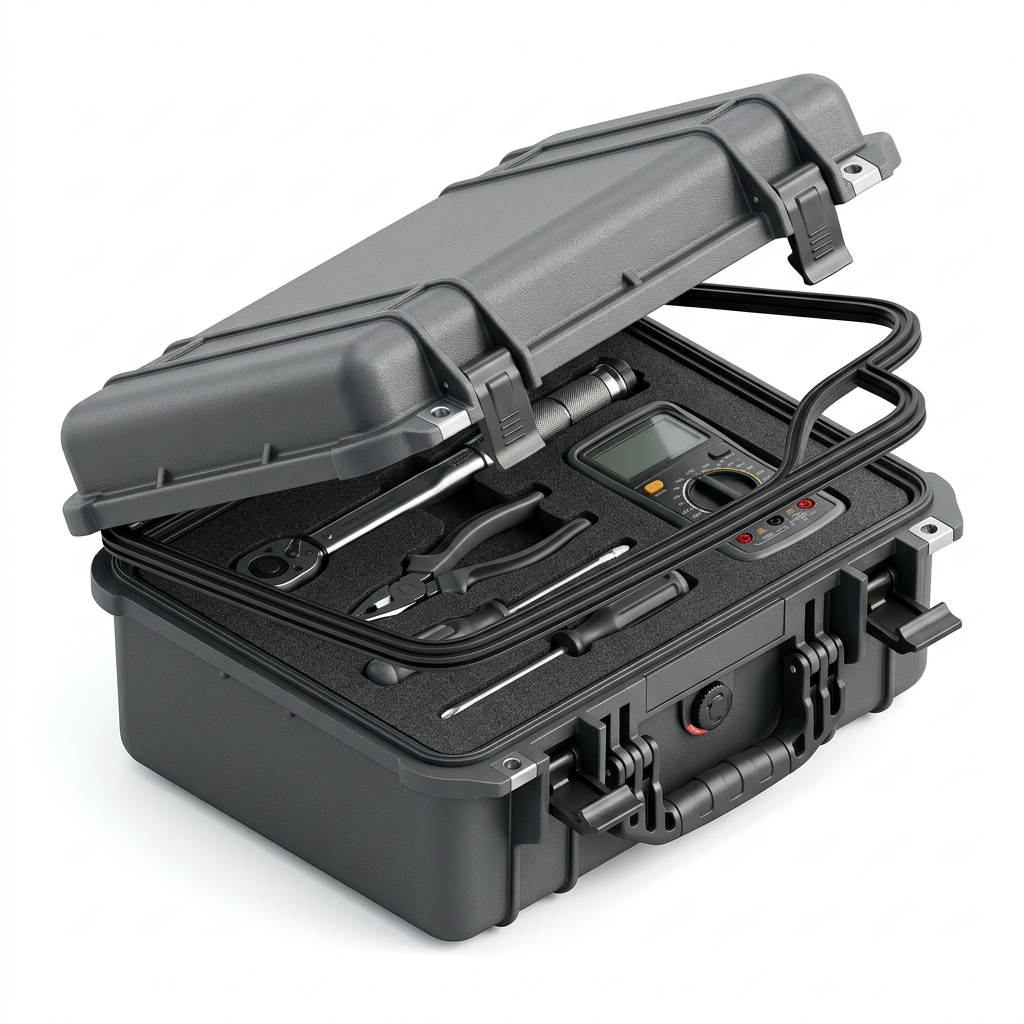
Container lids, electrical cabinets, and tool boxes use weatherproof strips to keep contents dry and clean.
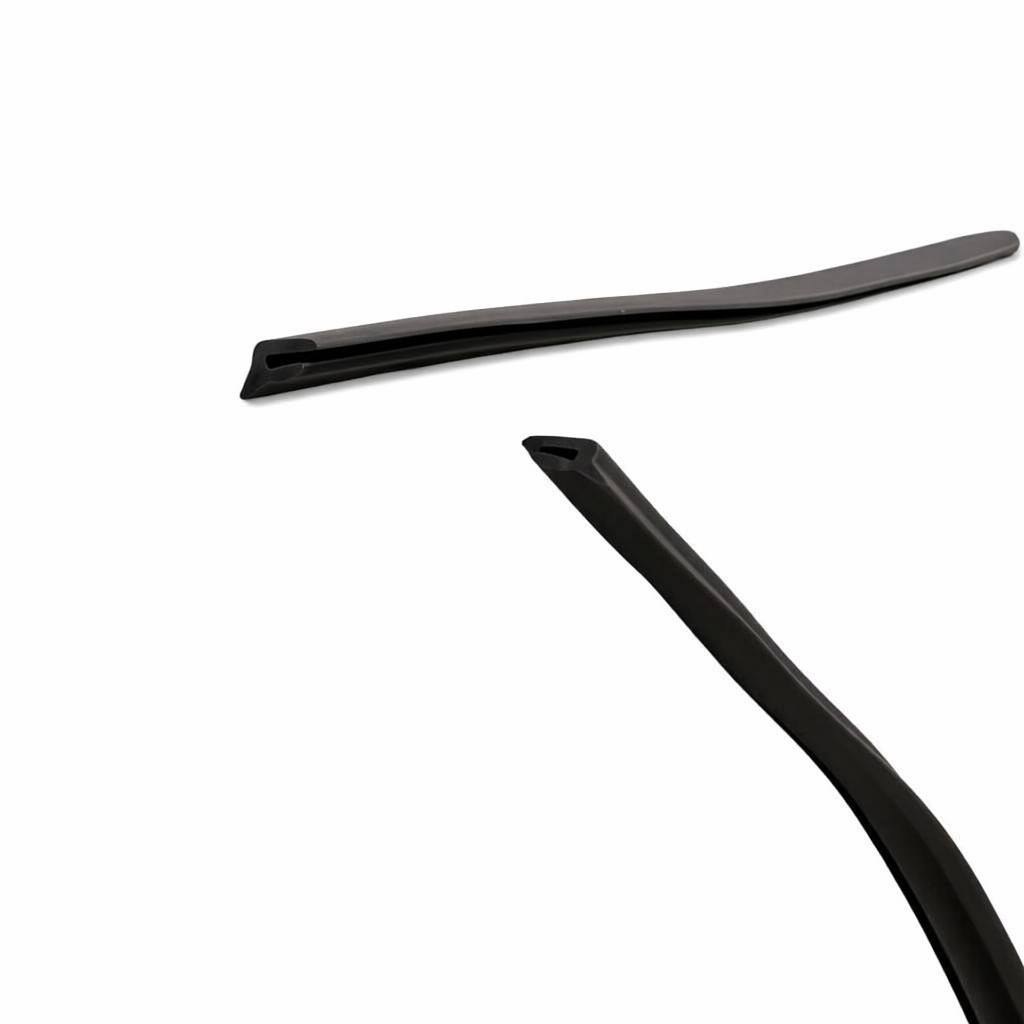
Waterproof rubber strip
5. Appliance Applications
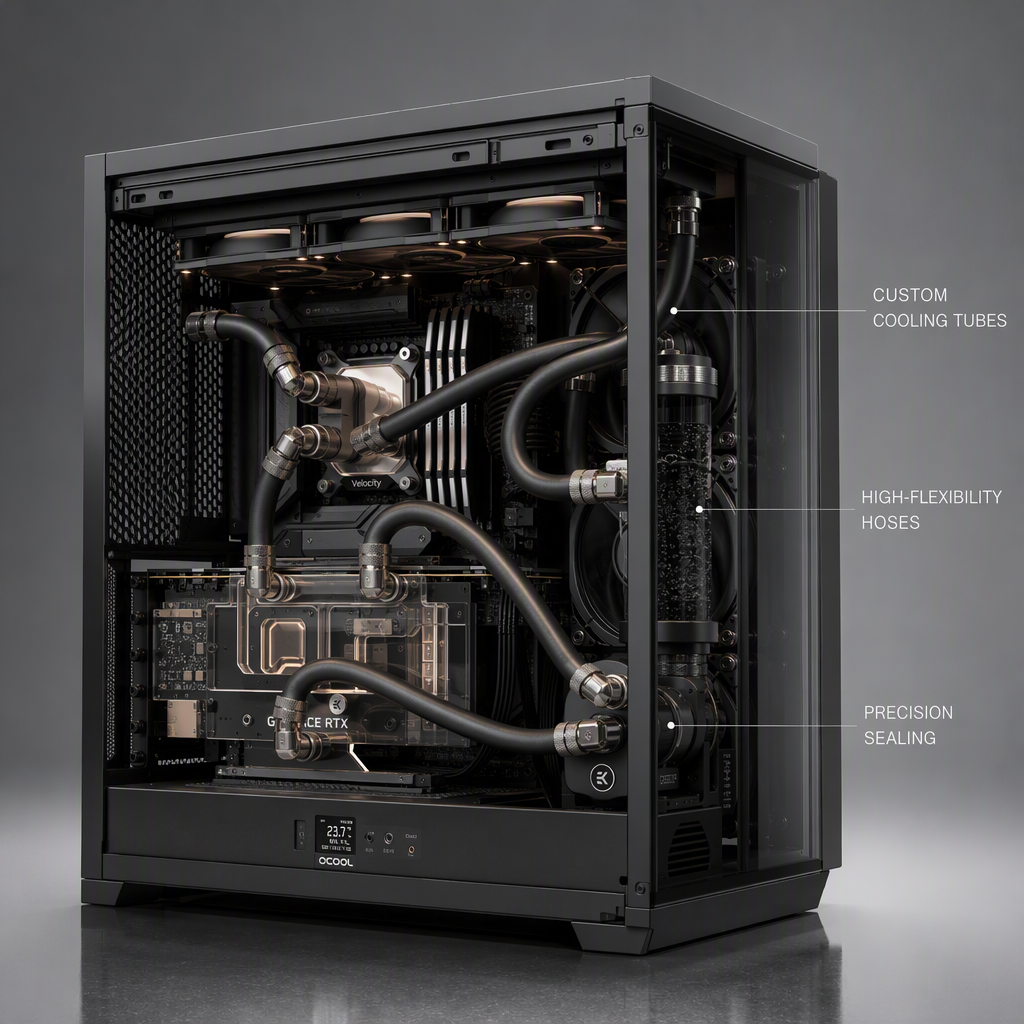
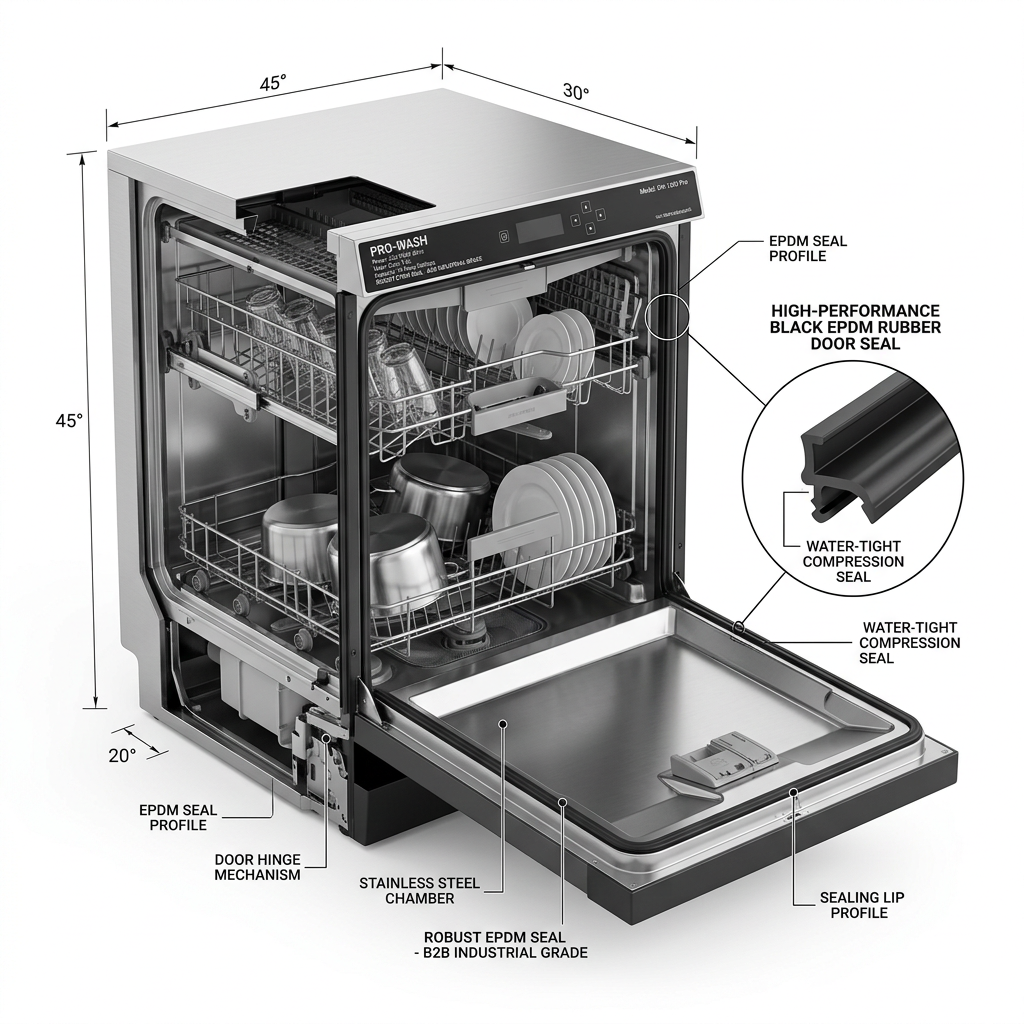
Refrigerators, dishwashers, ovens, and washing machines use rubber strips to seal doors, absorb vibration, and retain temperature.
Appliance seals must resist temperature cycling and detergents while maintaining a tight, consistent seal for years.
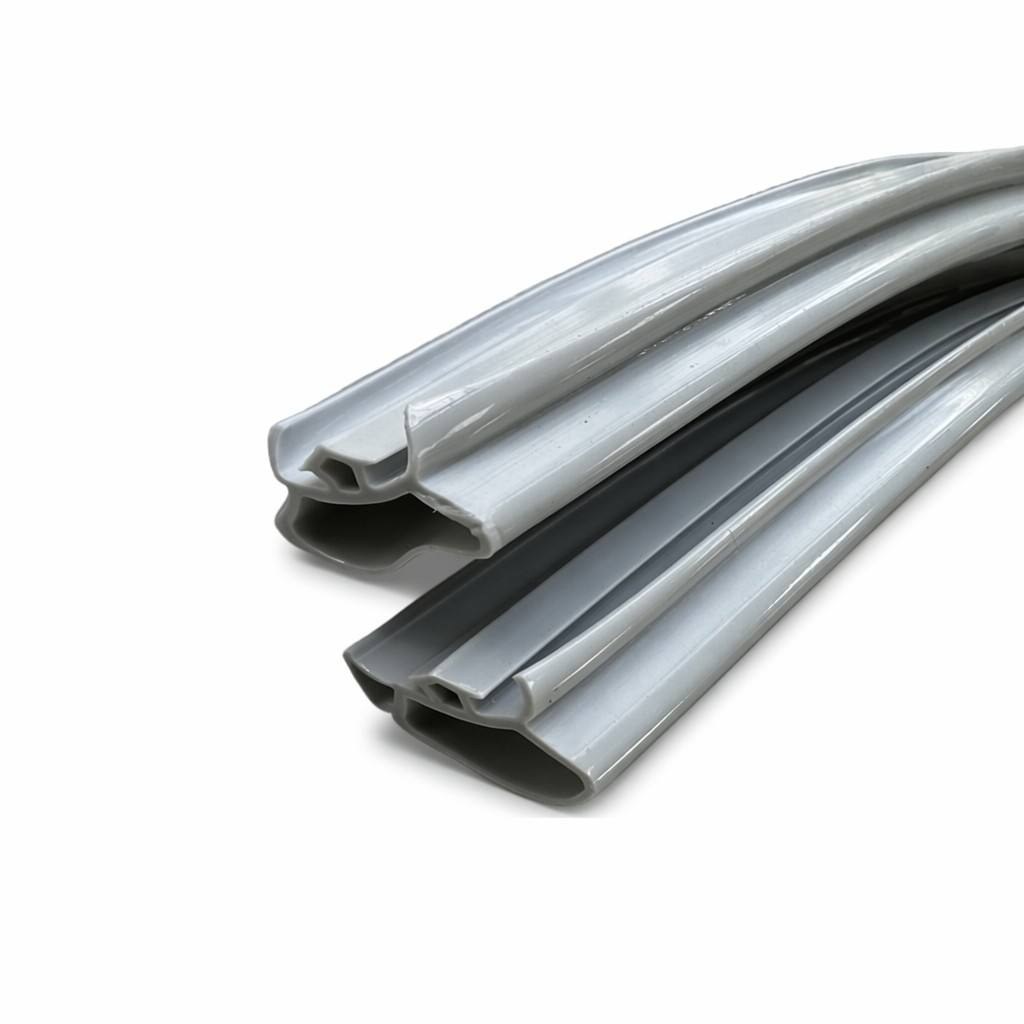
Appliance rubber seal strip
6. How to Choose
Start with the environment: temperature, exposure to oil or chemicals, and required hardness. Then define the profile and dimensions to match your groove or gap.
Not sure which strip fits? Our engineers help you select the right material and cross-section. See our material capabilities.
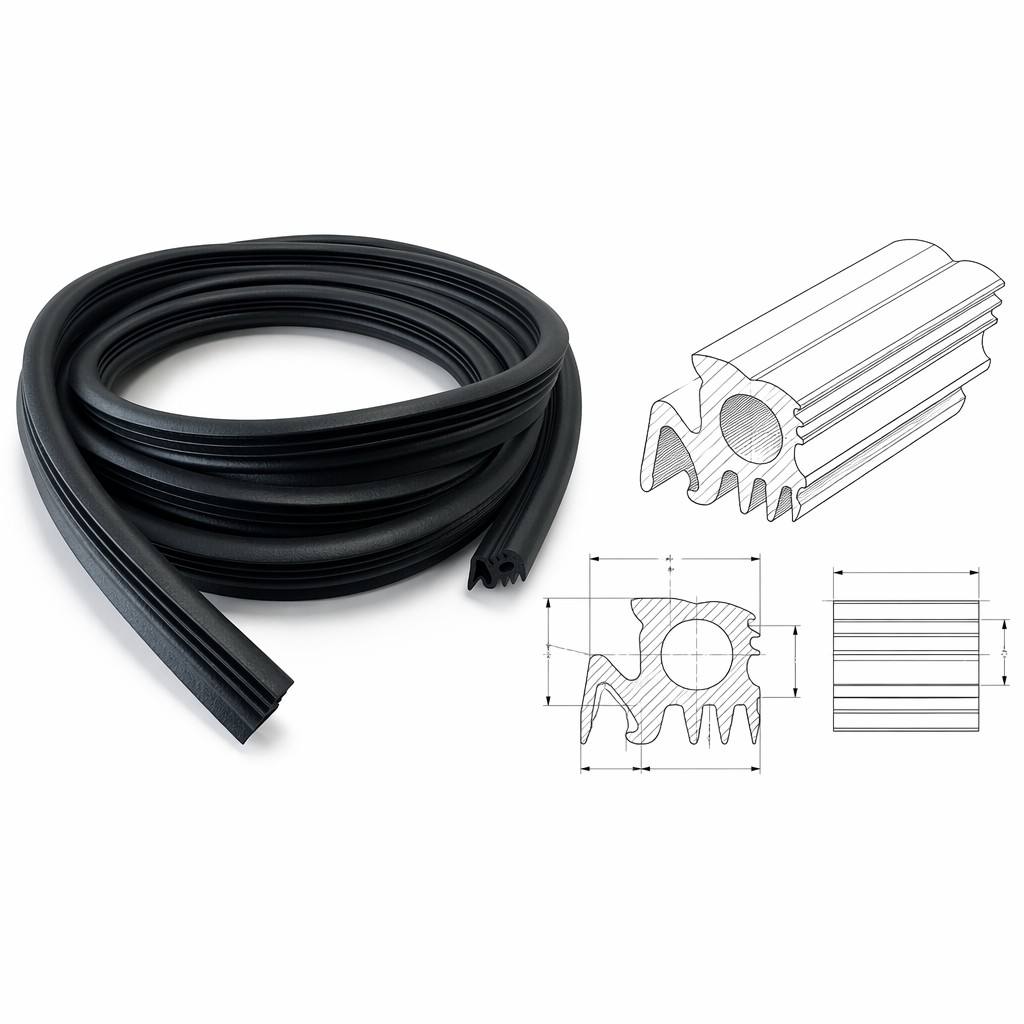
Rubber strip selection guide
Need a custom rubber strip? We extrude custom profiles from your drawings or samples. Contact our customization team or send us an inquiry.