











EPDM Hose in Automotive Cooling Systems
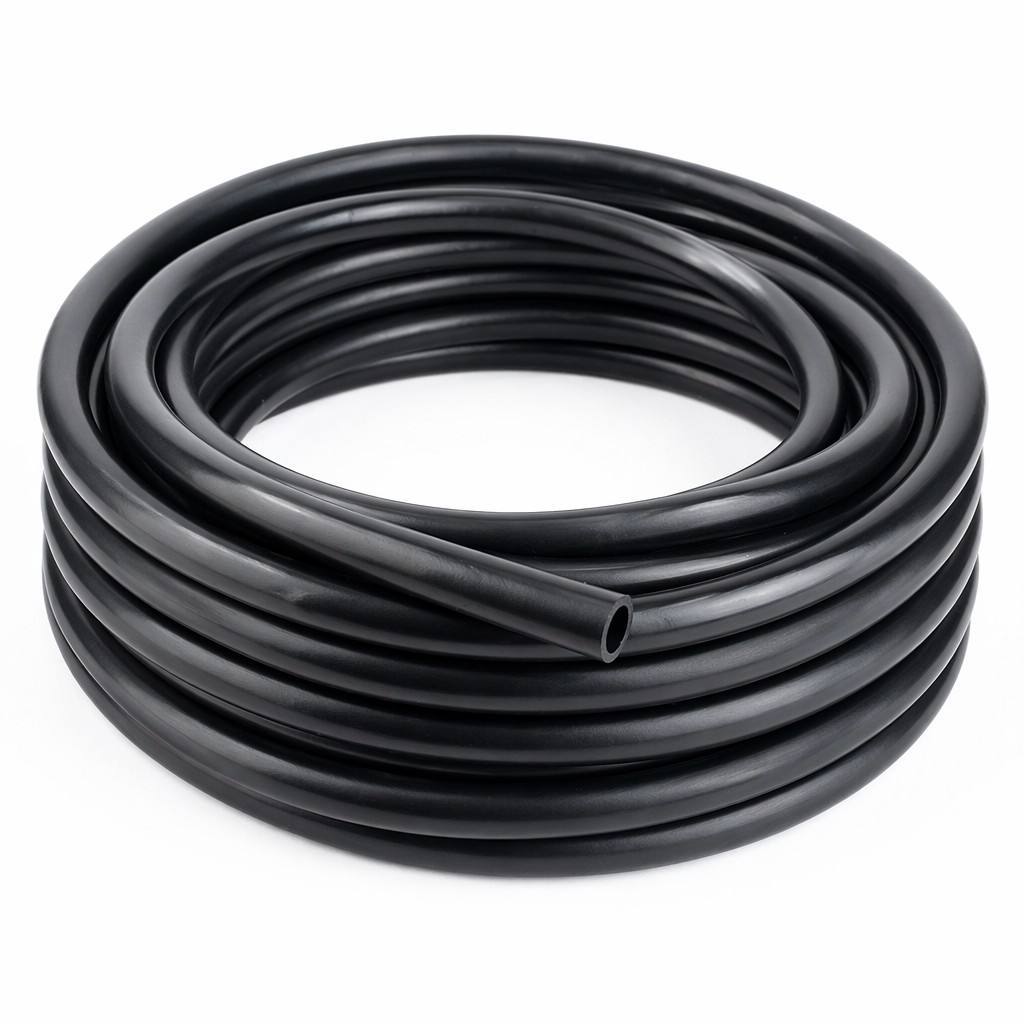
In every combustion, hybrid, and electric vehicle, the cooling circuit decides whether the powertrain lives or dies. The EPDM hose — short for ethylene propylene diene monomer rubber hose — is the silent workhorse that keeps coolant flowing between the engine block, radiator, heater core, and expansion tank. Unlike generic rubber tubing, EPDM is engineered for the long-haul thermal, chemical, and mechanical stress of automotive under-hood environments. This guide explains why EPDM is the global default for automotive cooling systems, where it is used, how it compares to silicone and NBR alternatives, and what to look for when sourcing EPDM hose for OEM or aftermarket programs.
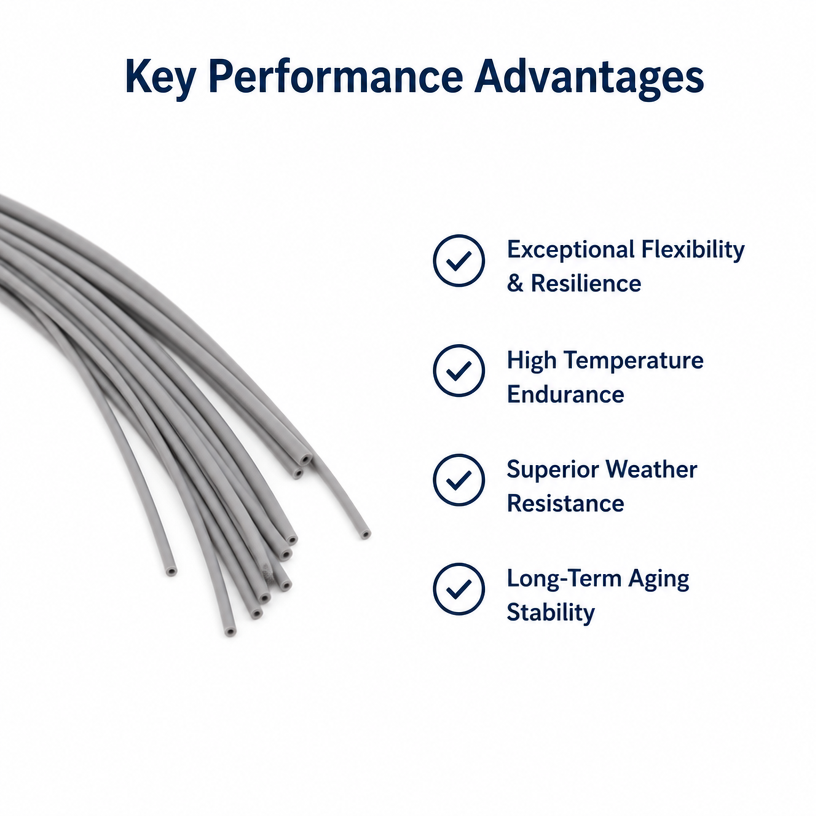
EPDM is a synthetic elastomer produced by polymerizing ethylene, propylene, and a small amount of diene monomer. The saturated polymer backbone gives EPDM three signature properties that other rubbers struggle to match:
- Wide service temperature: continuous −40 °C to +150 °C, with peaks up to +175 °C in pressurized coolant circuits.
- Outstanding weather & ozone resistance: the saturated backbone resists UV, oxygen, and ozone cracking far better than NBR or natural rubber.
- Excellent coolant compatibility: stable in ethylene-glycol, propylene-glycol, G11/G12/G13/G40, and most OAT coolants for 8–10 years.
When extruded into tubing, EPDM can be reinforced with knitted or braided textile (aramid, polyester) or wire helix to handle 2–5 bar working pressure in the cooling loop.
Where EPDM Hose Is Used in Automotive Cooling Systems
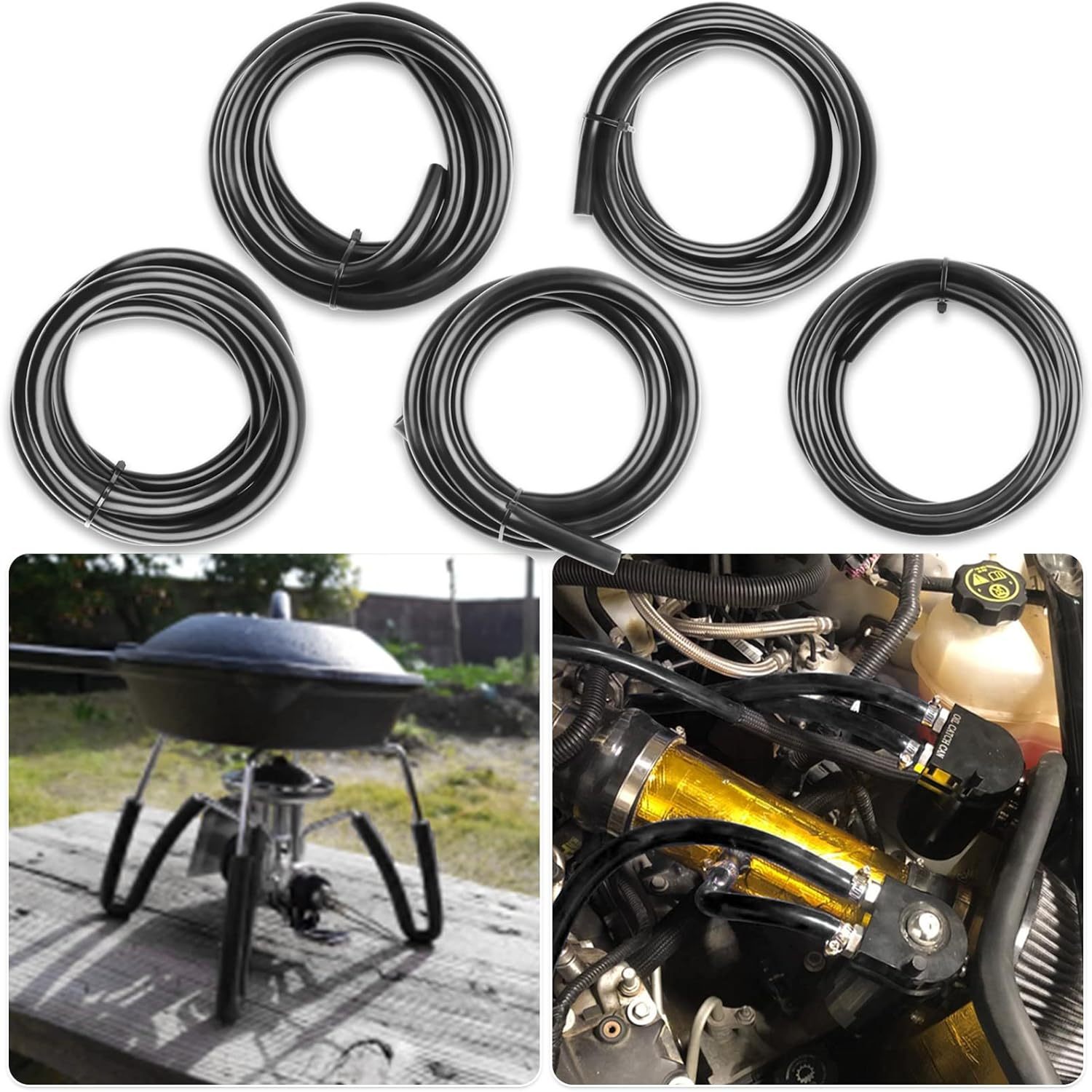
A modern passenger car has 6–12 meters of EPDM hose routed through the engine bay. From the upper and lower radiator hoses to the heater core and expansion tank lines, EPDM carries the coolant at pressure and temperature extremes.
For battery thermal management in EVs and hybrids, the same EPDM platform — sometimes reformulated to EPDM/PP or peroxide-cured EPDM — carries water-glycol loops between the battery pack, chiller, and PTC heater, where 10–15 years of leak-free service is non-negotiable.
The table below summarizes the most common EPDM hose circuits in a modern vehicle.
| Hose Function | Typical Position | Operating Pressure |
|---|---|---|
| Upper radiator hose | Engine ↔ radiator (inlet) | 1.0–1.5 bar |
| Lower radiator hose | Radiator ↔ water pump (outlet) | 1.5–2.5 bar |
| Heater hose | Engine ↔ HVAC heater core | 0.5–1.5 bar |
| Bypass / coolant return hose | Thermostat housing ↔ pump inlet | 0.3–1.0 bar |
| Expansion tank / degas hose | Radiator ↔ coolant reservoir | Atmospheric / 0.2 bar |
| EGR / charge-air cooler hose | Turbocharger ↔ intercooler | 2–5 bar |
EPDM vs. Silicone vs. NBR: Which Rubber for Cooling?
Specifying engineers often compare EPDM against silicone and NBR (nitrile) for cooling lines. The table below summarizes the trade-offs for a typical under-hood coolant application.
The short version: EPDM is the best balance of cost, coolant compatibility, and under-hood durability. Silicone is reserved for very high-temperature zones (turbocharger outlets, some EGR lines) where +180 °C+ spikes are routine. NBR should be avoided for prolonged glycol exposure at elevated temperature.

| Property | EPDM | Silicone (VMQ) | NBR / Nitrile |
|---|---|---|---|
| Continuous service temp. | −40 to +150 °C | −60 to +200 °C | −30 to +110 °C |
| Coolant / glycol resistance | Excellent | Fair (swells in glycol) | Good |
| Ozone / UV resistance | Excellent | Excellent | Poor |
| Tensile / burst strength | High (with textile reinforcement) | Medium (needs textile) | High |
| Cost per meter | Low–Medium | Medium–High | Low |
| Typical cooling use | Radiator, heater, bypass, EV battery loop | Turbo / high-temp intercooler (specialty) | Not recommended |
Common Standards & Specifications for EPDM Cooling Hose
When you source EPDM hose for an automotive program, make sure the supplier can certify compliance with the relevant OEM or industry standard:
- SAE 20R1 / 20R2 / 20R3 / 20R4 — the dominant North American standard for heavy-duty and light-vehicle coolant hose (radiator, heater).
- DIN 73411 — German standard for rubber coolant hose in road vehicles.
- ISO 4081 — international standard for rubber hose for automotive cooling systems.
- GM 3059 / Ford WSS-M1C38-B / VW TL 524 — OEM-specific material specs.
- IATF 16949 — quality management system required by virtually every Tier-1 cooling hose supplier.
A reputable EPDM hose manufacturer will provide batch-level test reports for hardness (Shore A 60–80), tensile strength (≥10 MPa), elongation at break (≥300%), burst pressure (typically 4× working pressure), and coolant aging (1000 h in 50% glycol at +125 °C).
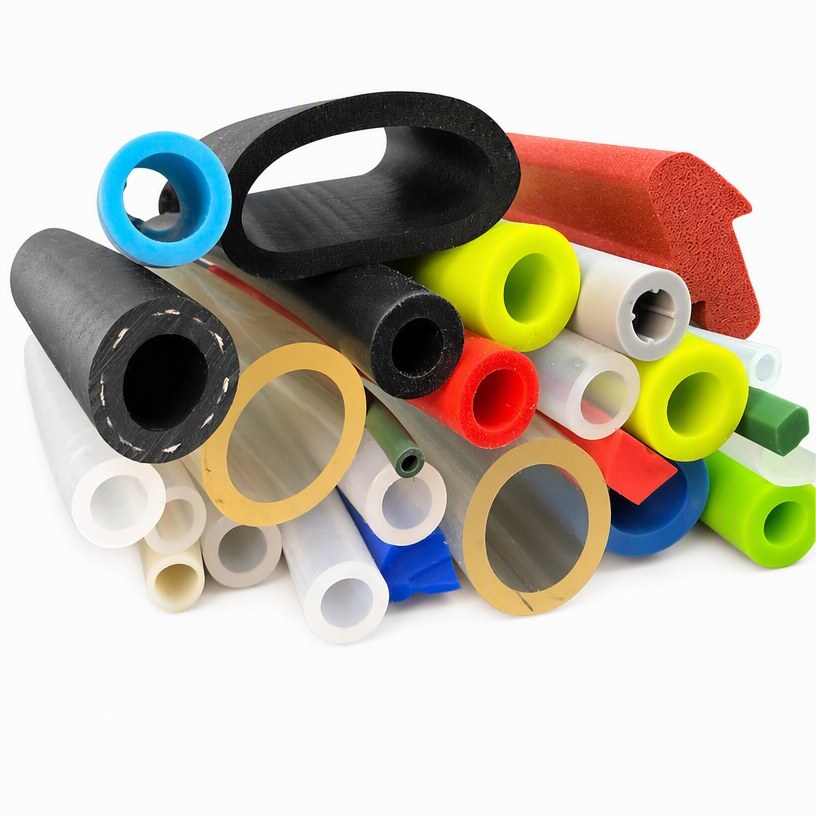
Recommended EPDM & High-Temperature Rubber Hose from RESRUB
RESRUB supplies custom-extruded EPDM, silicone, and TPV hoses for automotive, EV battery, and industrial cooling programs. The following models are commonly used in cooling and high-temperature fluid circuits — click any product to view the full specification:
Professional Custom Extruded Silicone Tube | High Temperature Resistant Hose
For coolant return and high-heat zones where reinforced silicone is preferred. Custom ID/OD, OEM tooling.
Advanced Thermal Insulation Automotive Rubber Tube
Heat-shielded under-hood routing for cars and trucks. High-temp insulation layer, kink-resistant.
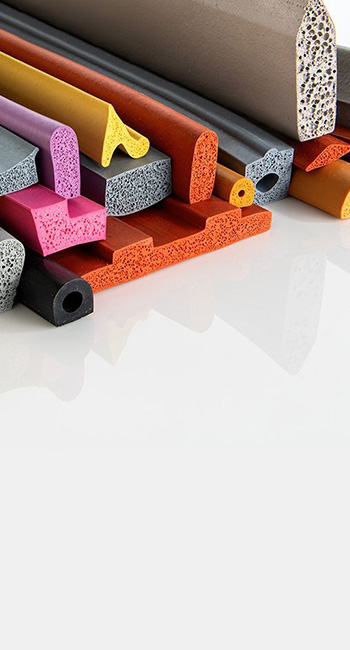
Custom Silicone & EPDM Rubber Extrusion Profiles and Sealing Strips
EPDM-family profiles for grommets, hose covers, and sealing interfaces. Custom cross-sections.
High-Temperature Resistant Rubber Seal Strip for Automotive Steel Plate
Sealing strips for battery enclosures and battery-cooling interfaces. High-temp EPDM/EPDM-PP compounds.
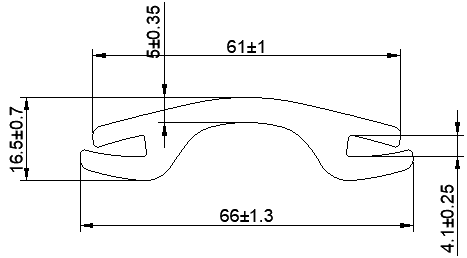
High Temperature Resistant Soft Silicone Rubber Tube
Alternative high-temp hose for turbo intercooler and coolant loops. -60 to +200 °C range.
Custom High-quality Flexible Pure Silicone Hoses
Flexible silicone hose range compatible with EPDM-style cooling fittings. Food and medical grades available.
For a complete view of our rubber hose and extrusion capabilities, browse the full EPDM & rubber product catalog or jump directly to our customized rubber solution service.
How to Specify the Right EPDM Hose (4 Practical Tips)
Whether you are a Tier-1 buyer, an aftermarket distributor, or a vehicle integrator, the same four parameters decide whether a hose will pass your validation:
- Inner diameter and bend radius. Specify ID with a tolerance of ±0.3 mm for press-fit couplings, and confirm the minimum bend radius against the engine bay packaging.
- Working pressure vs. burst pressure. Target at least 4× safety margin on burst pressure. A 1.5 bar circuit should be specified with a hose rated for ≥6 bar burst.
- Coolant compatibility and aging. Ask for aged test data in your specific coolant (OAT, HOAT, G40, etc.) at the maximum sustained temperature.
- End-fitting interface. Decide between straight-cut + worm-gear clamp, formed bead, or quick-connect nipple.
Our materials & process capabilities page lists the full compound range we can extrude (EPDM, peroxide-cured EPDM, EPDM/PP, silicone, TPV, NBR) and the dimensional tolerances we hold in mass production.
Maintenance & Common Failure Modes
A quality EPDM cooling hose is designed to last the service life of the vehicle, but the four failure modes you should monitor in the field are:
- Clamp slippage — usually caused by under-torqued or corroded worm-gear clamps. Re-torque to OEM spec and inspect for hose scuffing under the clamp.
- Electrochemical degradation — galvanic reaction between aluminum fittings and the hose reinforcement. Use dielectric grease or specify EPDM hose with a non-conductive inner liner.
- Ozone cracking at the cover — rare on modern EPDM, but accelerated by oil contamination. Keep the engine bay free of oil and fuel leaks.
- Kinking at the bend radius — typically the result of a re-used hose being installed at a tighter radius than designed. Replace the hose; do not straighten a kinked one.
Conclusion — Sourcing EPDM Hose for Your Cooling Program
EPDM remains the smartest material choice for automotive cooling hose because it delivers the right balance of thermal endurance, coolant resistance, flexibility, and cost. For electric and hybrid vehicles, the same EPDM platform — often reformulated as peroxide-cured EPDM or EPDM/PP — is now the standard for battery thermal management loops.
If you are designing a new cooling circuit, qualifying a replacement supplier, or scaling an aftermarket program, RESRUB can extrude EPDM hose to your exact ID, OD, reinforcement, and end-fitting spec. We support OEM/ODM tooling, hold tolerances as tight as ±0.2 mm, and ship from an IATF 16949-certified facility. Reach out via our contact page to request a quotation or free production sample.