












EPDM Rubber Hose: Features, Advantages, and Applications
EPDM rubber hose offers high-temperature resistance, corrosion resistance, and cost-effectiveness, widely used in construction, transportation, and industry.
What is EPDM Rubber Hose?
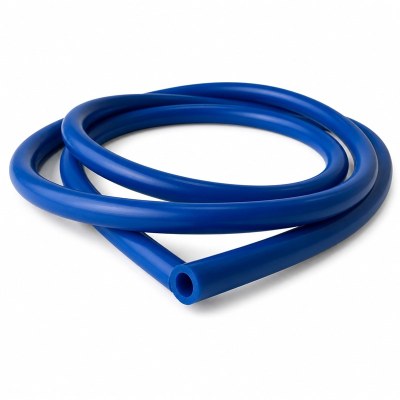
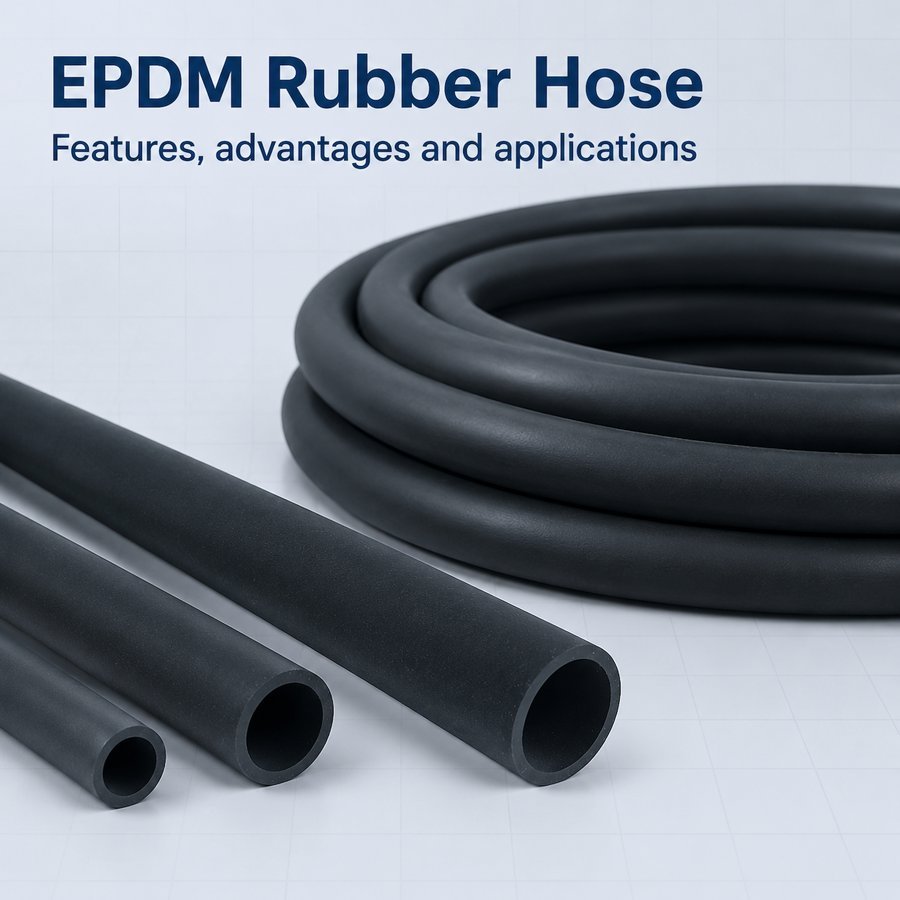
EPDM rubber hose is a type of tubing made from Ethylene Propylene Diene Monomer (EPDM) rubber, commonly referred to as EPDM hose. EPDM rubber is a copolymer composed of ethylene, propylene, and a small amount of non-conjugated diene. This rubber hose offers a range of advantages and is widely used in various industries.
Cost-Effective Solution
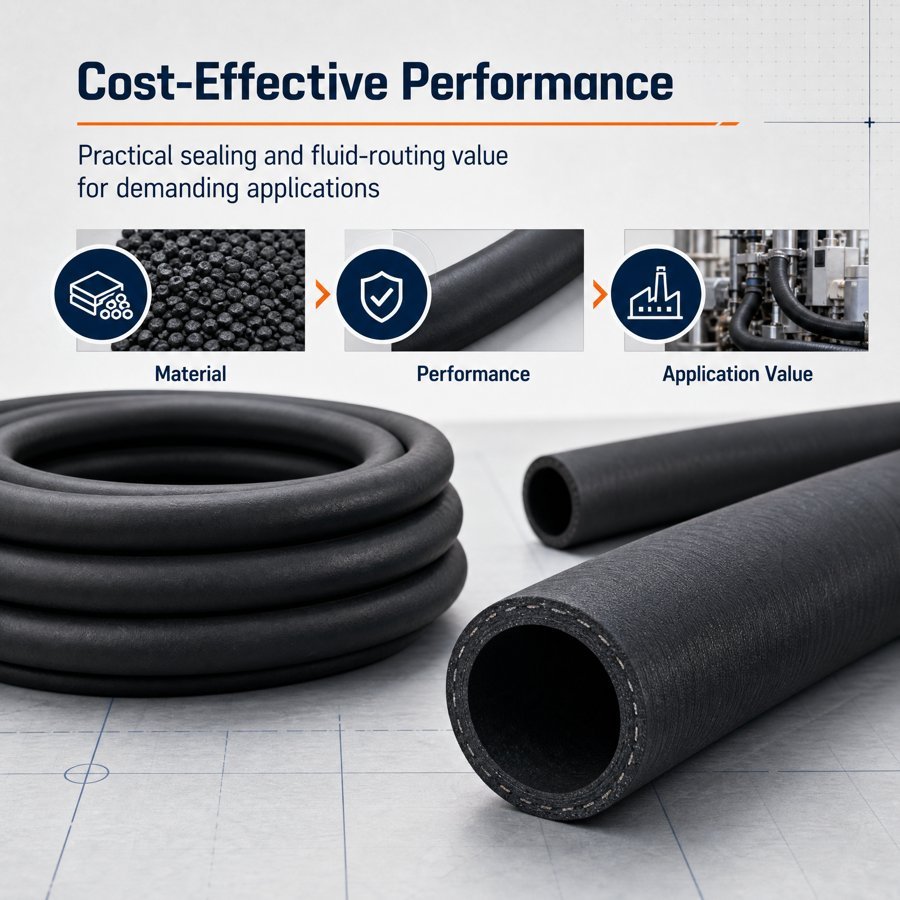
EPDM rubber has a lower raw material density, making it lighter in weight for the same volume. Additionally, due to its chemical structure, certain oils and fillers can be added during production without significantly affecting its performance. This allows for cost-effective manufacturing while maintaining high performance.
Excellent Temperature Resistance
EPDM rubber hoses exhibit outstanding temperature resistance, withstanding temperatures up to 120°C (248°F). This means they can operate continuously within this range and endure short-term or intermittent exposure to higher temperatures. This property makes them particularly suitable for applications such as automotive heating hoses.
Superior Corrosion Resistance
EPDM rubber hoses offer excellent resistance to various chemicals. As a non-polar rubber with low saturation, EPDM is highly resistant to acids, bases, vegetable and animal oils, and refrigerants. This makes it ideal for transporting weak acids, bases, and refrigerants.
Wide Range of Applications
EPDM rubber hoses are widely used across different industries:
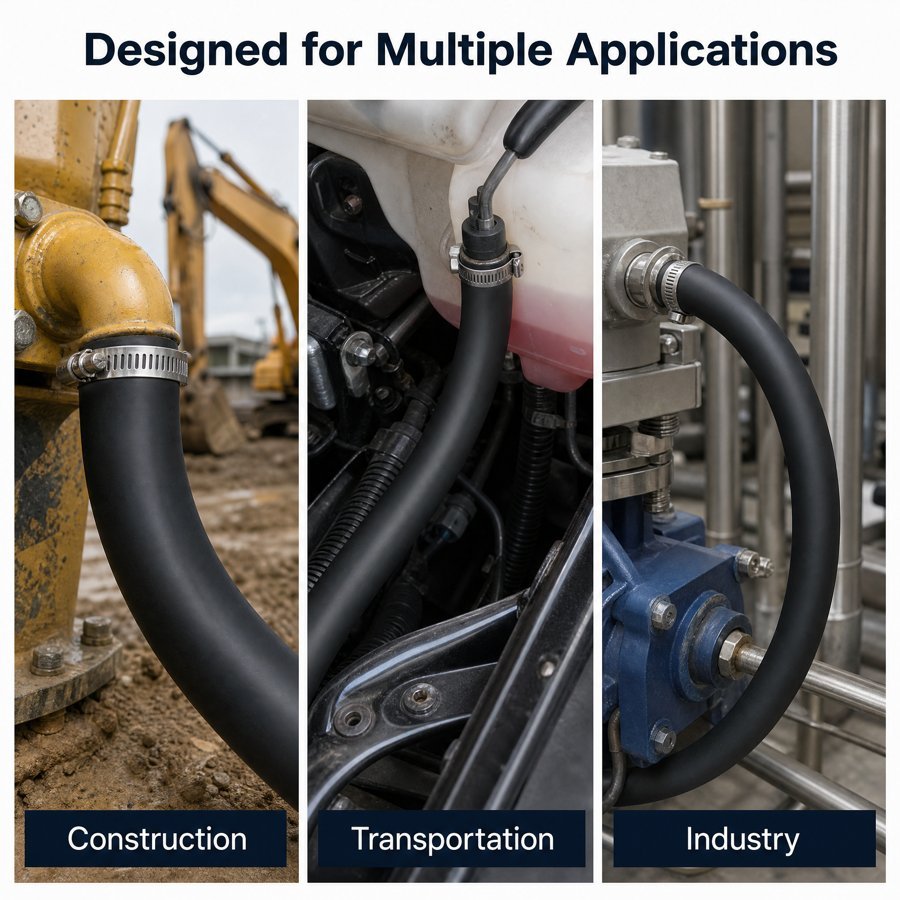
Construction: Used in roof waterproofing, drainage systems, and HVAC systems.
Transportation: Applied in sealing systems and air conditioning systems of automobiles and trains.
Industrial: Utilized in chemical, aerospace, and manufacturing industries for cooling water pipes, hot water circulation, hot air transmission, and low-pressure steam transportation.
Manufacturing Process
The production of EPDM rubber hoses involves several key stages:
Raw Material Preparation: Ethylene, propylene, and diene monomers are processed to obtain high-purity raw materials.
Rubber Polymerization: The materials undergo polymerization under controlled conditions, followed by mixing, filtering, extrusion, and vulcanization to form the final rubber hose.
Final Processing: Further refining, cutting, and packaging ensure the hose meets industry standards.
Due to its exceptional performance, diverse applications, and cost-effective advantages, EPDM rubber hose plays an irreplaceable role in many industries. With advancements in technology and manufacturing, its properties and applications are expected to expand even further, meeting the evolving demands of modern industries.
Related reading: the complete EPDM rubber hose guide — material properties, temperature range, application families, sizing and wall thickness.
Data Analysis: EPDM vs Alternative Hose Materials
EPDM is frequently benchmarked against silicone, NBR and PVC. The comparison clarifies where each wins.
| If your line is… | Best material | Reason |
|---|---|---|
| Hot water / coolant / steam | EPDM | Steam & weather resistant, low cost |
| Oil / fuel / hydraulic | NBR | Excellent hydrocarbon resistance |
| -60 °C or 200 °C service | Silicone | Widest temp envelope |
| Indoor, low-temp, low-cost | PVC | Cheapest for static runs |
EPDM's advantage is breadth: one material covers weather, ozone, steam and a wide temperature band at a low price. That is why it anchors most general-purpose rubber hose programmes.
Data are typical industry reference ranges for standard compounds; actual performance depends on formulation, reinforcement and application. Verify against supplier data sheets. Sources: elastomer handbooks; TrendForce; ResearchNester; Straits Research; 赛迪顾问/每日经济新闻; 新浪财经; 奥维云网/新华网; Business Research Insights.